Art Basel Qatar Unveiling Initial Edition in February 2026
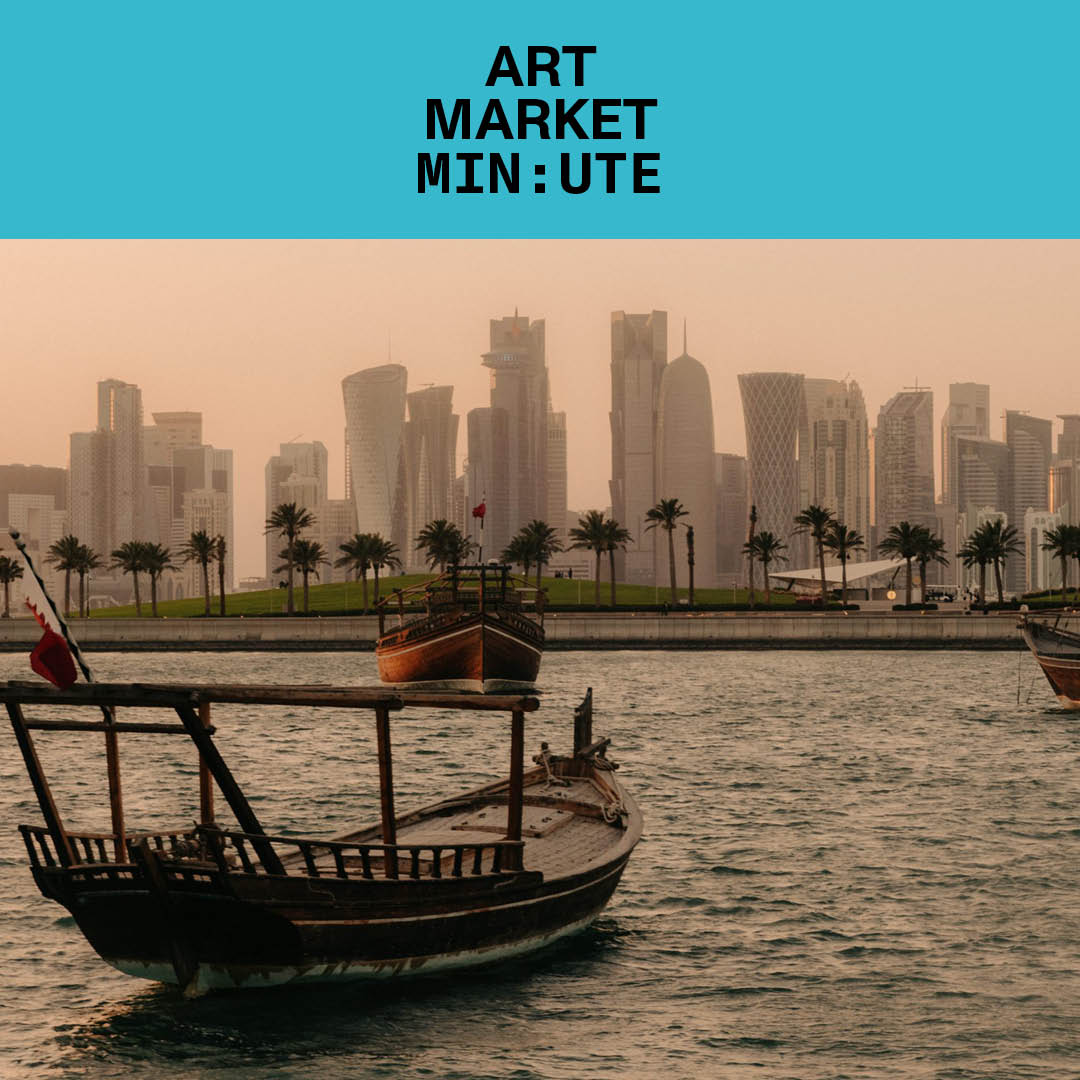
This winter, Art Basel will launch its latest contemporary art fair in Qatar, showcasing nearly 90 galleries along with an exciting array of special programs. Whether in Miami Beach, Hong Kong, Paris, or its namesake Basel, Art Basel has shaped the global contemporary art landscape for decades. This winter, the esteemed art fair will unveil its newest edition, making its inaugural journey to the Middle East since its inception in 1970. Scheduled to take place from February 5–7, 2026, in Doha, Art Basel Qatar represents a significant milestone for the region, providing it with a long-overdue international platform.
The inaugural edition of the art fair will feature approximately 87 galleries, representing over 31 countries and territories. However, in contrast to the organization’s other events, Art Basel Qatar is bypassing a conventional layout, instead embracing a thoughtfully curated, thematic model focused on “becoming.” Central to this concept is the Special Projects program, an inventive series of nine large-scale, site-specific sculptures, installations, and performances that will take place within the exhibition space—and beyond. Doha itself will act as an artistic venue, with M7, the Doha Design District, and various public spaces around Msheireb hosting a range of interventions throughout the fair.
Curated by Art Basel Qatar’s artistic director Wael Shawky, in close partnership with Art Basel’s chief artistic officer and global director Vincenzo de Bellis, Special Projects may effectively embody the fair’s “becoming” theme. Each of the nine pieces contemplates transformation as the foundation of artistic production, exploring themes such as metamorphoses, transitions, thresholds, upheavals, political changes, and identity. Nalini Malani’s My Reality Is Different, for example, is a monumental, single-channel meditation on migration, Westernization, femininity, and art history, repurposing works from the National Gallery’s collection in London. Conversely, Nour Jaouda has reimagined a rest house, constructed through intersecting steel walls, layered architectural drawings, and suspended textile fragments. This structure appears to encourage a moment of introspection, inviting viewers to project their own aspirations, memories, and identities onto the skeletal, scaffold-like forms of the work.
The art fair’s Galleries section will be just as immersive, featuring works from esteemed galleries such as David Zwirner, Hauser & Wirth, and Pace Gallery. Regional institutions will also participate, including Dubai’s Gallery Isabelle, Cairo’s Gypsum Gallery, Jeddah’s Athr Gallery, and Beirut’s Sfeir-Semler Gallery. Significantly, more than half of the fair’s 84 international artists come from the MENASA region, spanning North Africa to South Asia. As anticipated, each exhibit examines the concept of “becoming,” with works that highlight ancient civilizations, literature, and personal histories; video installations probing themes of spectacle, authoritarianism, and commodification; hand-formed ceramic sculptures that freeze gestures; and embroidered textiles reflecting symbols of conflict.
“Each presentation showcases a practice deeply embedded in the cultural fabric of the Gulf and its extended geographies, while also advancing conversations in bold and surprising ways,” Shawky stated. “Together, they invigorate Msheireb with new perspectives and encounters that redefine how audiences interact with place.”
In its entirety, Art Basel Qatar is more than just an art fair—it’s an incubator, offering another vital platform for artists throughout the MENASA region. The initiative also aligns with a number of other cultural events, which include Art Dubai, Abu Dhabi Art, and the Diriyah Biennale, among others.
For more information about the art fair, its programming, and ticket availability, visit the Art Basel website.