International Gathering at Guatemala’s Paiz Art Biennial
In Fall 2025, Guatemala has been a focal point of cultural and sporting events, drawing global attention. The country hosted the 12th Central American Games in October, pursued qualification for the upcoming FIFA World Cup, and inaugurated the 24th Bienal de Arte Paiz in November. This biennial, the second-oldest in Latin America, aims to be its most ambitious yet, featuring works by 46 artists from over 15 countries, doubling the participation from the 2023 edition. The event is spread across 10 venues in Antigua and Guatemala City.
The 2025 theme, The World Tree, is inspired by the myth of the tree of life, a central archetype in numerous ancient cosmogonies. The concept, as outlined by curator Eugenio Viola of the Bogotá Museum of Modern Art (MAMBO), ties to the tree’s fundamental role in Mayan cosmogony, symbolizing existential connections and universal structure. Viola sees this theme as a depiction of societal interconnections.
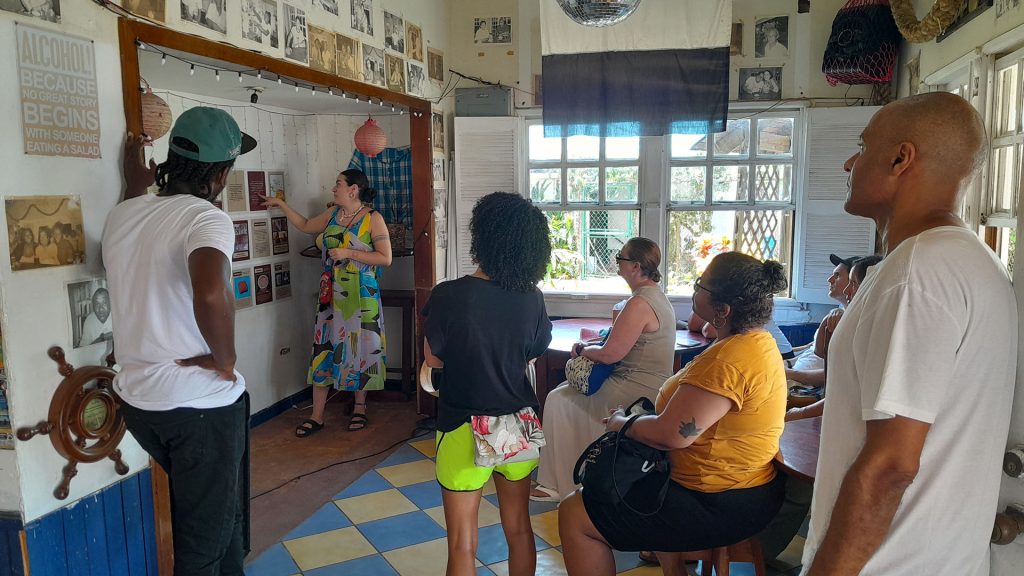
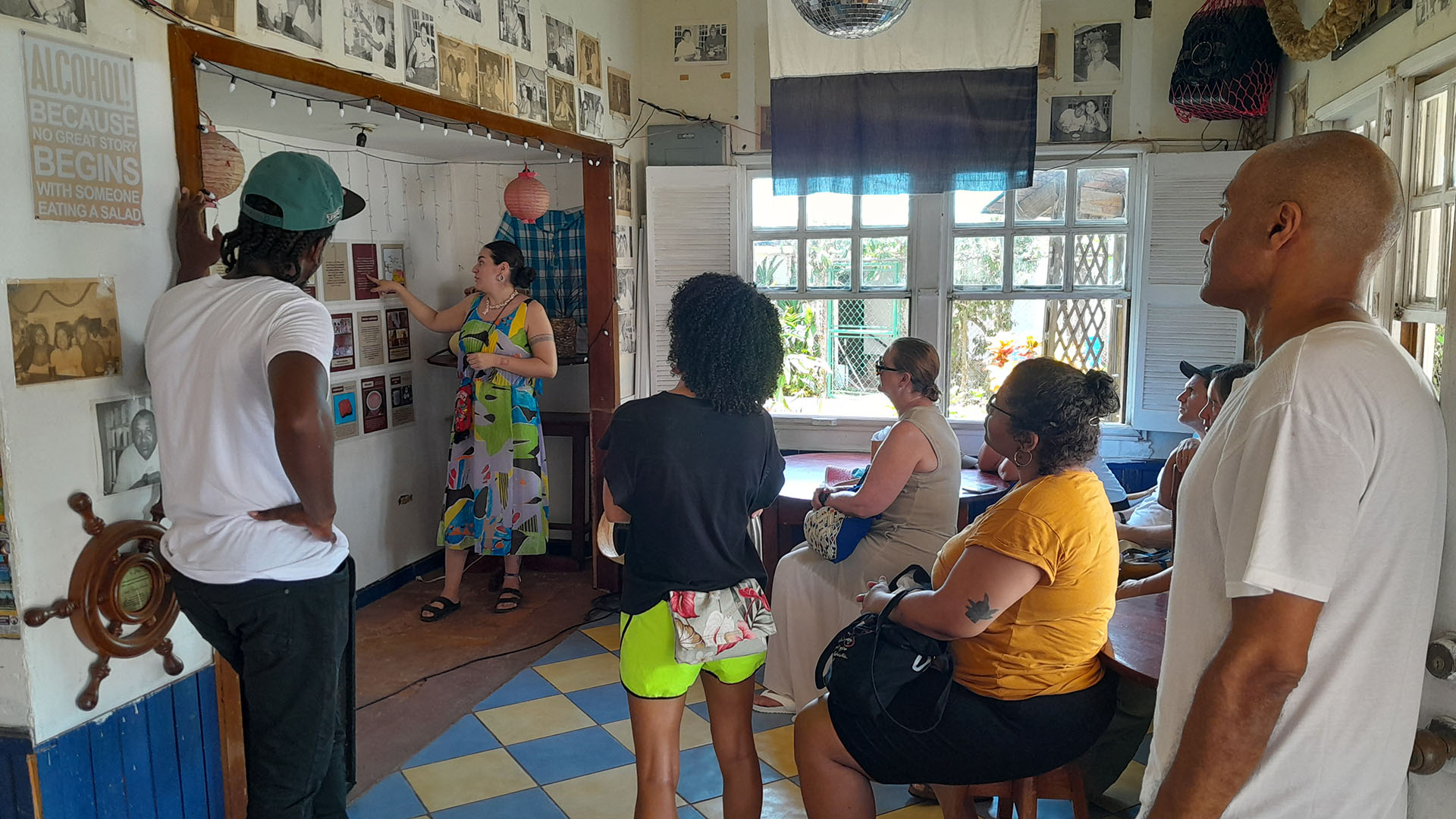
The press preview, attended by writers from the Americas, began in Antigua. Here, many works focused on the cultural and site-specific significance of the location. At La Nueva Fabrica, which has collaborated with the biennial for nearly five years, attendees were hosted by Fundación Paiz para la Educación y la Cultura, a nonprofit that has supported Guatemalan education and culture for over four decades. The event saw artists, curators, and art experts from around the globe, although language tensions surfaced when speeches were made in English, with Spanish translation provided via headphones.
Notable artworks at La Nueva Fabrica included Patricia Belli’s “Multitudes” (2025), a quilt from used clothing. Luz Lizarazo’s mural “Wander” (2025) depicted a blend of animals, plants, and realms. Balam Soto, in “Kukulkan: An Immersive Mythological Journey” (2025), employed data interactivity and extended reality to explore Mayan mythology.
Subsequent exhibits included Museo Arte Colonial, featuring Gian Maria Tosatti and D Harding amidst pre-Hispanic Mayan archaeological pieces, and the National Museum of Guatemalan Art (MUNAG). Here, Naufus Ramírez-Figueroa’s “From Spiral to Spiral” and Voluspa Jarpa’s “Extinction” made compelling cultural statements.
At the Centro de Formación de Cooperación Española, Antonio Pichillà’s “Dancing with a Stone” engaged with nature syncretism, while at Convento La Recolección, Igor Grubić and Kite combined nature and music among ruins.
In Guatemala City, the biennial continued. Thematic connections abounded, particularly in language translation efforts, as seen in Veronica Riedel and Adji Dieye’s works. Performances included Regina José Galindo’s politically charged act at the courthouse and Carlos Martiel’s stark solo at Fundación Paiz.
The 24th Bienal de Arte Paiz provocatively addressed global and local issues, exploring human, animal, and cosmic interconnectedness. However, it faced challenges like language use, limited Guatemalan artist representation, and cultural appropriation concerns. Nevertheless, curated by Eugenio Viola, it portrayed profound connections across global cultural tapestries.
The Bienal de Arte Paiz, The World Tree, remains open across various venues in Antigua and Guatemala City through February 15, 2026.