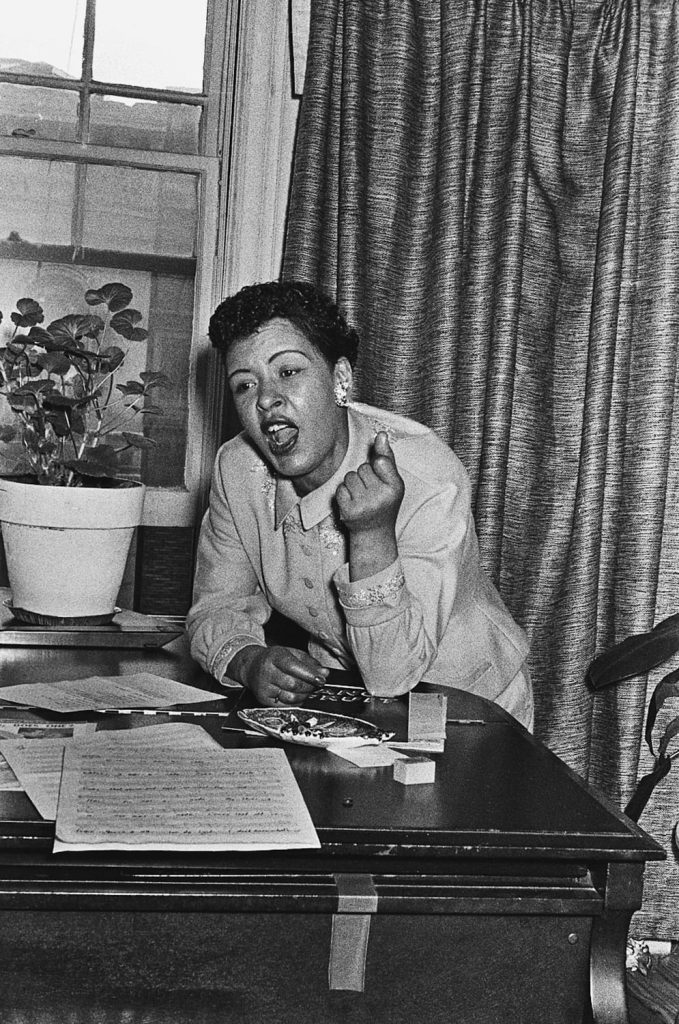
Lisette Model’s Hidden Jazz Photographs
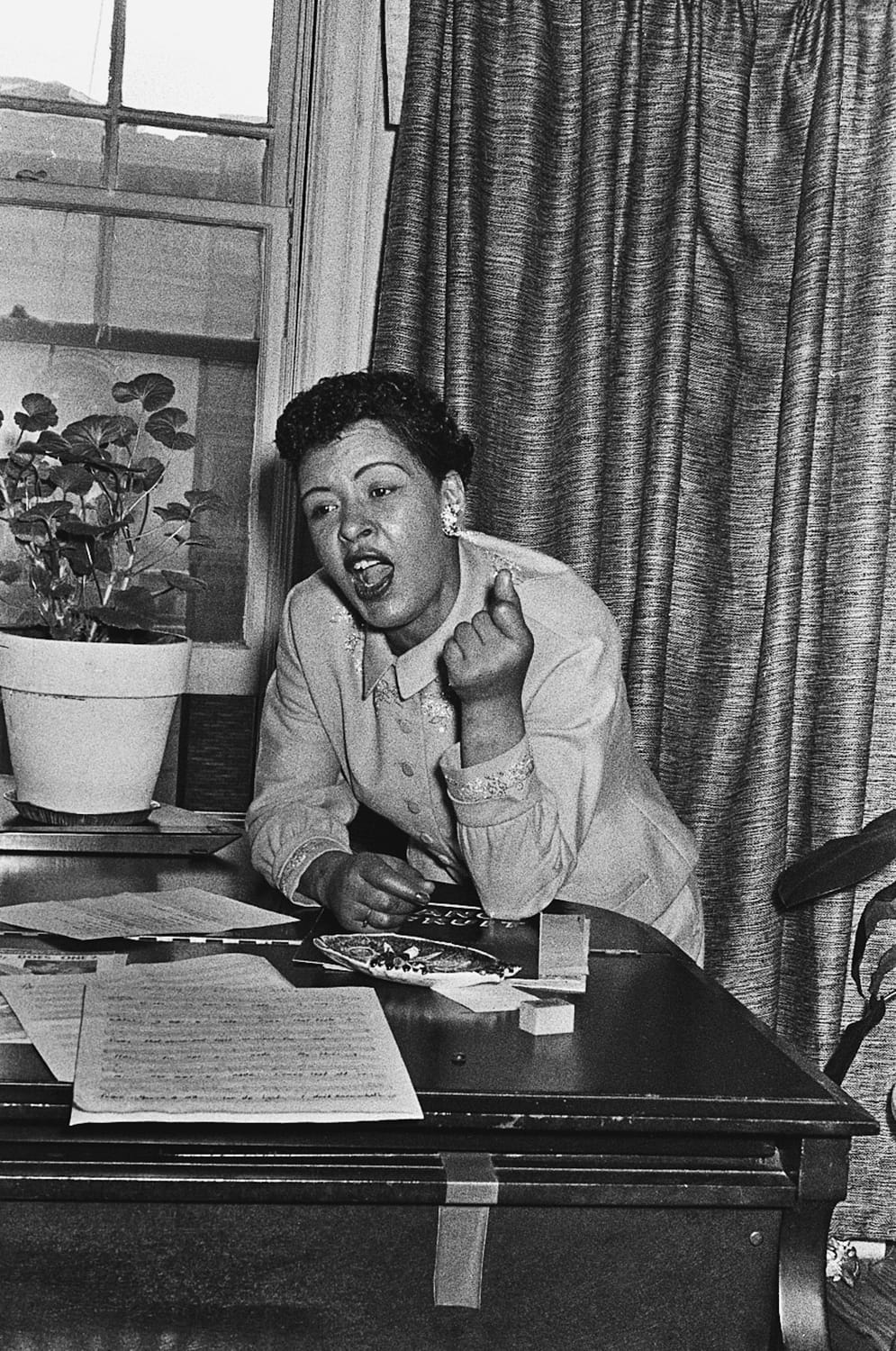
The story of Lisette Model and other photographers who shaped the way we historicize social movements today highlights the power of visual art in capturing and influencing social change. Lisette Model was an Austrian-American photographer whose work is now gaining attention through a new book that reveals her hidden photographs of jazz legends like Billie Holiday and Louis Armstrong. Model, targeted by the FBI during the Red Scare due to her leftist views and Jewish heritage, buried these photos for safety. The resurfacing of her images not only enriches historical perspectives on social movements but also underscores the challenges faced by women in art throughout history.
International Women’s Day serves as a reminder of the ongoing fight for gender equality. The book, which discusses Model among others, is a testament to how women have been systematically excluded from art historical narratives and institutions. Julia Curl examines how the legacies of female photographers like Model continue to influence contemporary art and social discourse.
Other works that reflect the intersection of art and social movements include Jennifer Higgie’s “The Other Side,” which explores how women artists have historically engaged with spiritualism and the occult. Meanwhile, “Comrade Sisters” commemorates the women of the Black Panther Party, emphasizing their significant yet often overlooked roles. Similarly, “A Civil Rights Journey” by Doris Derby offers an intimate portrayal of the Civil Rights Movement through her extensive archive of photographs.
Finally, the story of Ernest Cole, an anti-apartheid photographer who found himself stranded in America, expands our understanding of the Cold War era from a South African perspective. Cole’s life was marked by the struggle against colonialism and racial injustice, with his work providing a poignant commentary on these themes.
These publications collectively highlight how female photographers and artists have shaped, documented, and influenced social movements, while also calling attention to their exclusion from mainstream narratives. Through a rediscovery of their contributions, these works advocate for a more inclusive and nuanced understanding of art history.