19th-Century Indian Photography Collection Sells for Almost $57K at Auction
Last month, the London-based Forum Auctions auctioned an eight-volume examination of 19th century India for £42,000 (approximately $56,800), surpassing pre-auction predictions by over £34,000 (around $45,662). This impressive hammer price indicates a growing interest not only in early photography but also in documentary works that explore intricate historical moments. In this instance, that significant event is the British colonization of the Indian subcontinent.
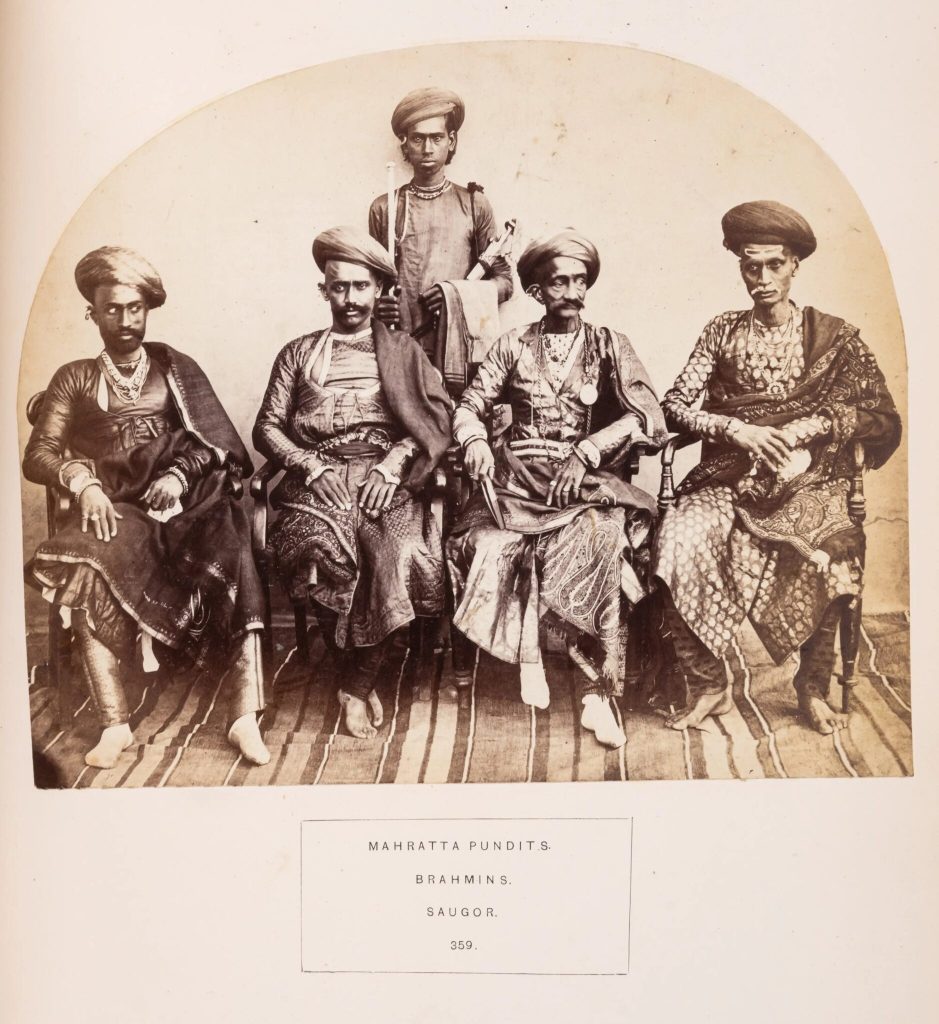
Entitled The People of India: A Series of Photographic Illustrations…of the Races and Tribes of Hindustan, the collection features hundreds of images from colonial India assembled by John Forbes Watson and John William Kaye in the wake of the 1857 Indian Rebellion. The volumes illustrate “various tribes, castes, religions, sovereigns, artisans, merchants, [and] beggars” across the nation, making it one of the most expansive 19th-century assessments from India, according to the lot description. The images within can also be credited to numerous photographers who operated throughout British India, such as Willoughby Wallace Hooper, James Waterhouse, H.C.McDonald, Shepherd & Robertson, and Benjamin Simpson, among others.
Nearly two centuries later, The People of India continues to be recognized as a significant technological milestone, providing insights into early documentary daguerreotypes. However, beyond that, the volumes serve as a poignant reminder of ethnographic imperialism and the racial classifications that influenced colonial governance. Captured during the 1850s and 1860s, these images are interpreted through British perspectives on race, presenting their subjects not as individuals but as novelties from a subordinate populace. Documenting these diverse cultural groups in this manner only further “othered” them, reducing them from humans to objects of examination. Consequently, the collection reinforces English supremacy, governance, and ideology, entrenching their occupation of the area.
“The collection was created following nearly a century of violence and unrest in this area between local communities and British officials,” the Smithsonian Institution notes about the project. “The social and political connections detailed here are tightly interlinked with the intricate realities of international commerce and the historical context of British colonial management.”
Moreover, what sets The People of India apart is its overall completeness. It includes 480 albumen prints and is reportedly lacking only one plate in vol. 6. The original decorative cloth bindings were largely preserved, and each print is carefully mounted on thick paper complete with printed caption labels. “[It’s] uncommon to come across such a complete collection,” Forum Auctions indicates, as thorough photographic assortments from the 1860s and 70s are rare in the marketplace.
The People of India was featured as Lot 50 in Forum Auctions’s “India” auction. The online sale included maps and illustrations of Afghanistan, historic narratives regarding India and its neighboring areas during British colonization, and postcards from the early 20th century. The items belonged to the late Malcolm Yapp, a scholar of the modern history of Western Asia at the School of Oriental and African Studies in London.
To discover more about The People of India and the auction, visit the Forum Auctions website.