Running as a Form of Resistance in “Remaining Native”
**Amid the Parade Frenzy and Smoke Alarms of Thanksgiving Day in New York City, “Remaining Native” Reframes Indigenous Narratives**
On Thanksgiving Day, while New York City pulsates with the excitement of parades and festivities, a powerful narrative is unfolding through the film “Remaining Native.” The Haudenosaunee-led documentary shifts the focus to Indigenous storytelling and resistance, shedding light on enduring cultural legacies and struggles.
Directed by Mohawk/Oneida filmmaker Paige Bethmann, “Remaining Native” (2025) premiered to critical acclaim at the South by Southwest Film and TV Festival. Now, it embarks on an international festival circuit after a week-long screening from November 21-27 at DCTV’s Firehouse Cinema in Tribeca. This event is part of the broader Fall of Freedom programming.
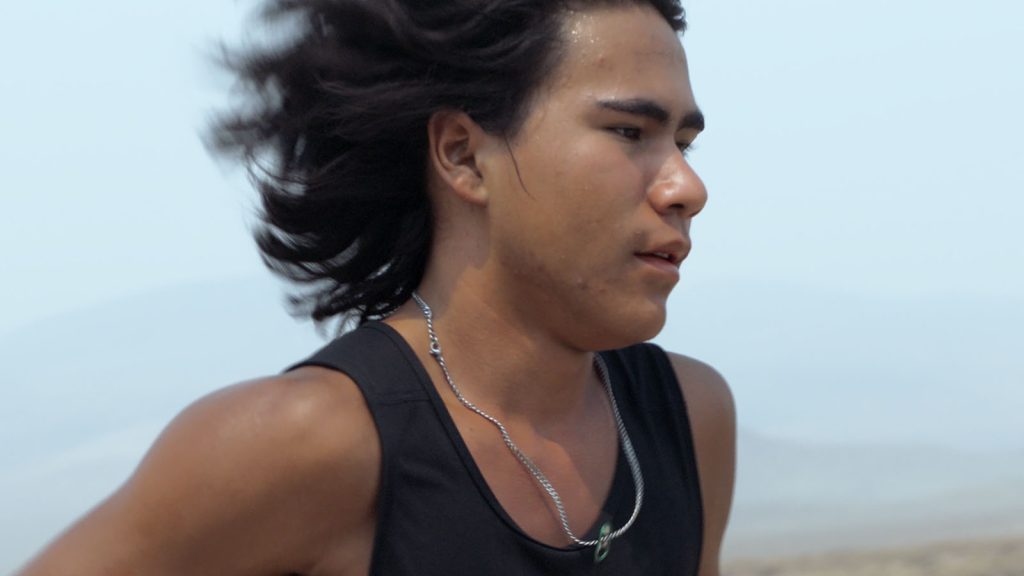
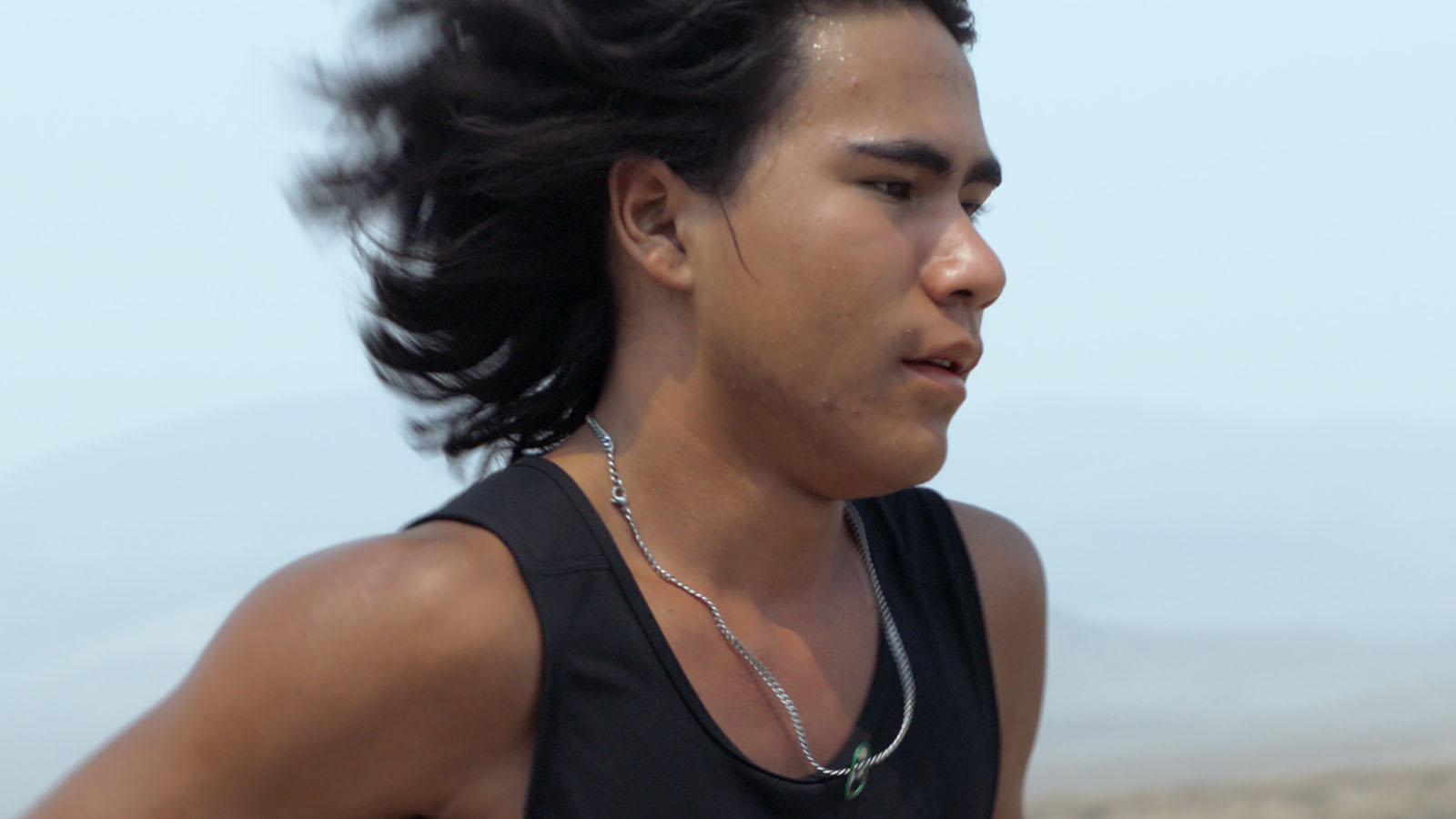
The documentary immerses viewers in the life of Paiute teenager Kutoven “Ku” Stevens, tracing his aspirations to run professionally alongside his family legacy. On the Yerington Paiute Reservation in Nevada, Stevens is mentored by his father, channeling his natural talent and dedication to secure a spot on the University of Oregon’s track and field team. Yet, his running journey also embodies spiritual connection and cultural reclamation, bridging past and present through his relationship with his late great-grandfather, Frank Quinn.
Quinn’s remarkable story of escape from Stewart Indian School—a symbol of the United States’ harsh assimilationist policies—is intricately woven into the narrative. Thousands of Indigenous children faced brutal treatment at such institutions, often buried in unmarked graves after enduring severe trauma. Quinn’s escape and subsequent return to his people marked a poignant act of resistance.
The documentary showcases archival photos juxtaposed with footage of young Stevens engaged in Paiute traditions, highlighting the continuity of cultural resilience. Stevens’s participation in the annual Remembrance Run—from Carson City back to his home in Yerington—honors this legacy, demanding answers from authorities about the atrocities of the past.
For Stevens, the endurance run is not just about raising awareness; it’s about confronting history and seeking justice. As he engages with government officials, he emphasizes the necessity of incorporating Indigenous histories into educational curricula to address historical inaccuracies.
Bethmann’s collaboration with the 4th World Media Lab provided crucial support in crafting a narrative true to Indigenous storytelling traditions—non-linear and deeply reflective, rejecting conventional cinematic structures. The film’s absence of governmental rhetoric allows Indigenous voices to resonate authentically.
“Remaining Native” stands as an evocative testament to Indigenous resilience. Its Thanksgiving screenings at DCTV’s Firehouse Cinema invite viewers to reflect on the intertwined legacies of struggle and strength, offering a critical redress to historical narratives often overshadowed in mainstream celebrations.