Ancient 6,000-Year-Old Artifacts Unearthed Beneath UK Parliament
Archaeologists Uncover 6,000-Year-Old Artifacts Beneath the Palace of Westminster
Archaeologists have made a groundbreaking discovery beneath London’s iconic Palace of Westminster, unearthing artifacts dating back 6,000 years. Announced by the Houses of Parliament Restoration and Renewal Delivery Authority, the findings include 60 flint flakes believed to be tools from the Mesolithic or early Neolithic period, dating around 4,300 BCE. These artifacts predate Stonehenge’s earliest earthworks by 1,000 years.
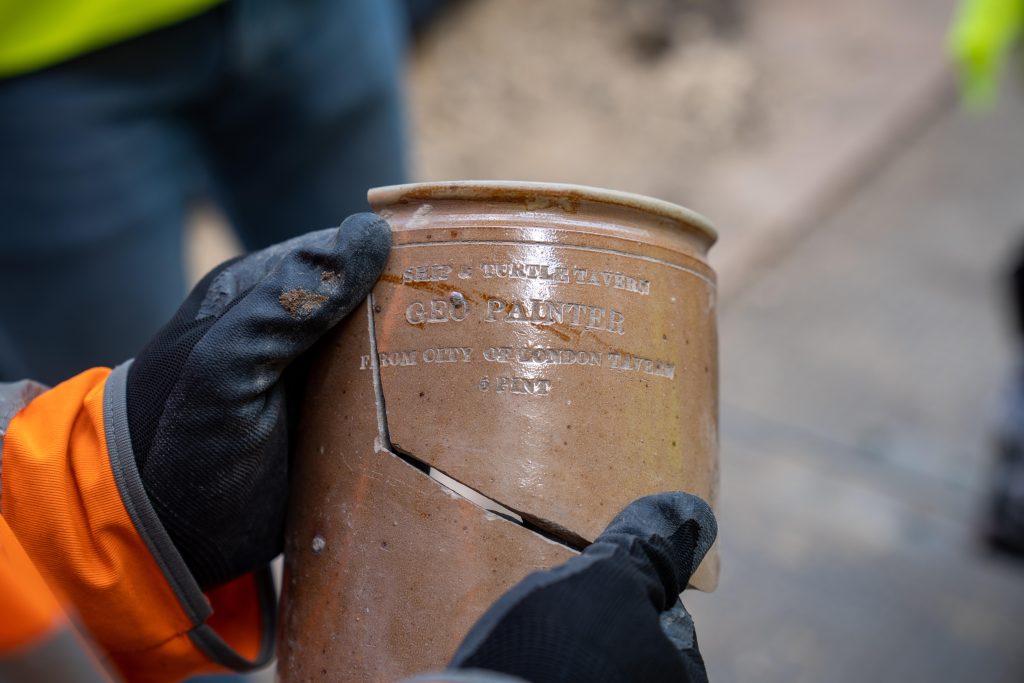
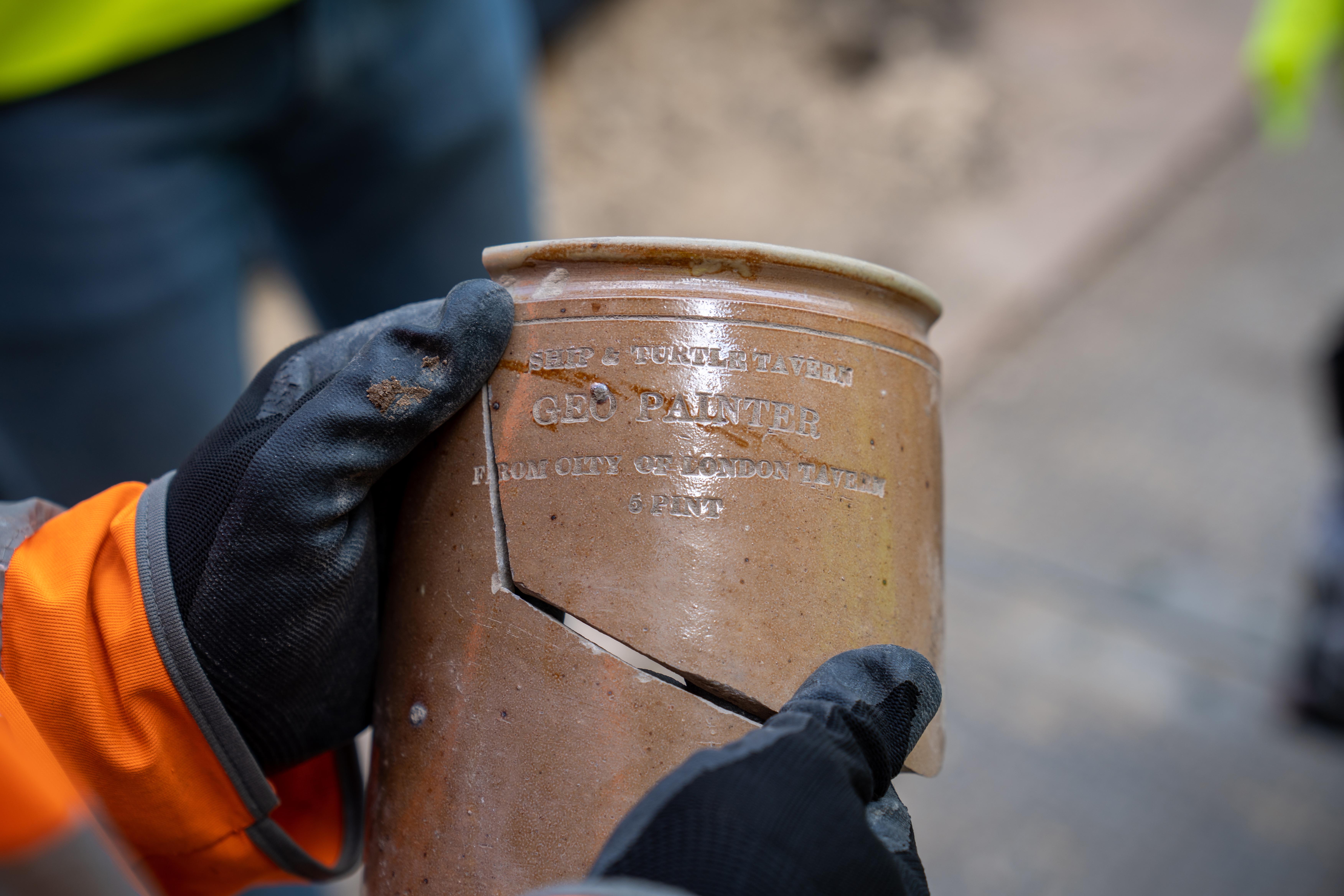
The excavation, part of a three-year investigation to guide upcoming restoration work, also revealed additional historical items, including 800-year-old footwear and a 19th-century beer jug. The flint artifacts originated from the long-vanished Thorney Island, once located at the convergence of the Thames and River Tyburn. Prehistoric inhabitants used the area for fishing, hunting, and gathering food.
This discovery underscores the rich historical tapestry underlying the Palace of Westminster as parliament debates expensive restoration options for the deteriorating building. With over 44 fires reported in the past decade, urgent restoration proponents emphasize the increasing fire risk due to the building’s age.
Judith Cummins MP, chair of the Restoration and Renewal Delivery Authority board, highlighted the significance of the discovery in understanding the palace’s history as it undergoes major renovation. Investigations span nine areas of the Westminster campus, including the Royal Court and Thames River shoreline.
Diane Abrams, lead archaeologist for the project, stated the importance of these investigations in managing the site’s extraordinary heritage while facilitating the Restoration and Renewal Programme. Earlier this year, the team uncovered part of a medieval hall from 1167, previously the most significant find.
The thorough investigation is scheduled to continue until 2026, with a final report expected in 2027.