Understanding Calder Gardens: A Detailed Overview
**Calder Gardens: A New Muse on Philadelphia’s Museum Mile**
**Introduction**
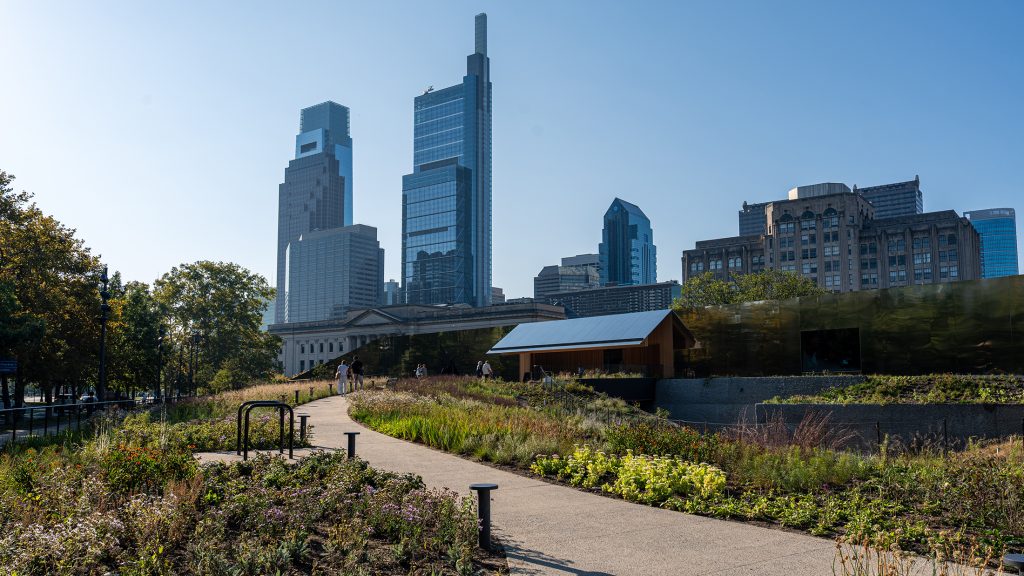
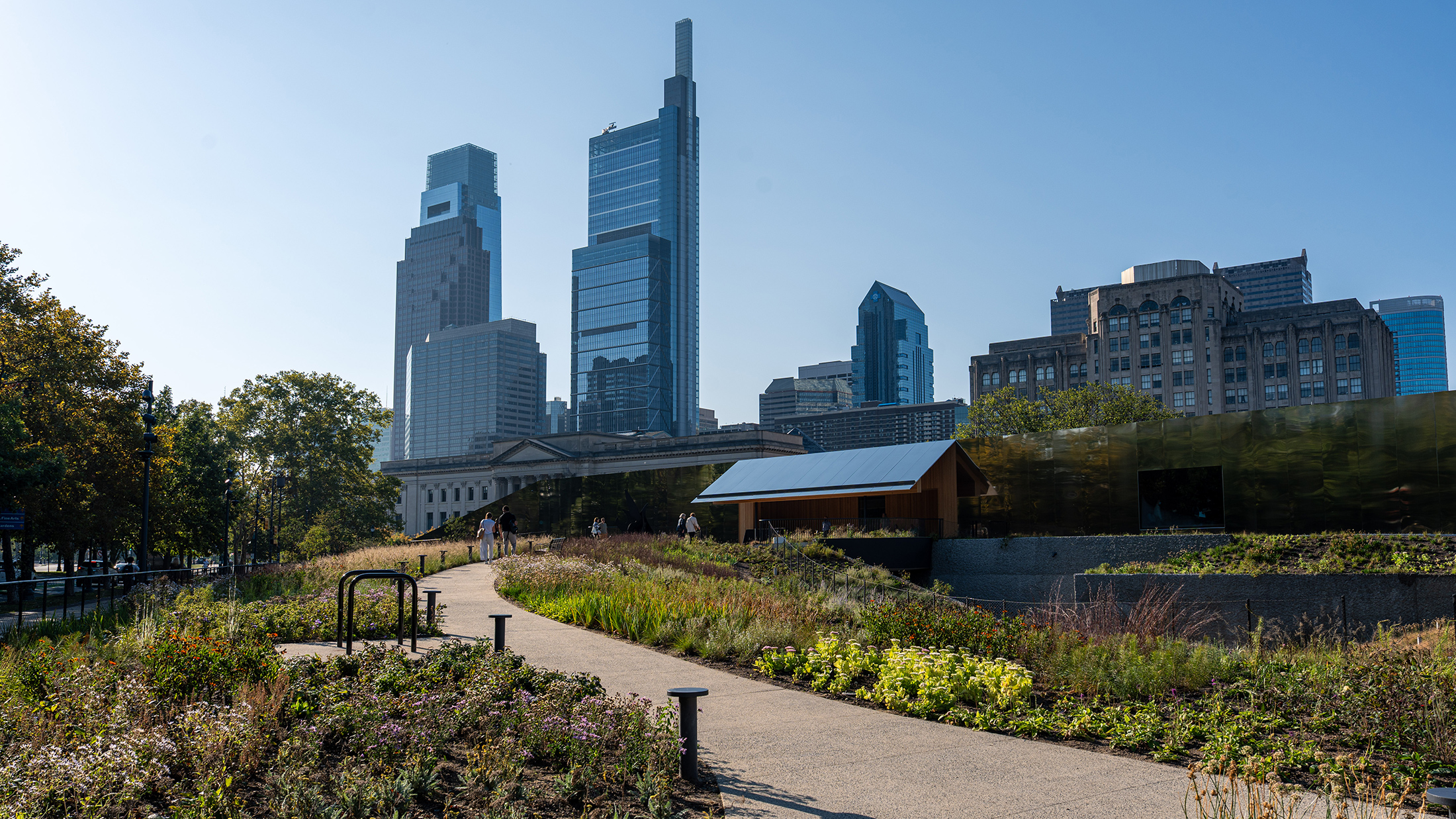
Nestled beneath Philadelphia’s bustling Benjamin Franklin Parkway, Calder Gardens represents a modern approach to art presentation. Its design, managed by the renowned Herzog & de Meuron with garden creation by Piet Oudolf, introduces a subterranean experience diverging significantly from traditional museum landscapes.
**Architectural Innovation**
Described as neither a museum nor a conventional building, Calder Gardens invites visitors into its architectural riddles. The space introduces a journey through tunnels and open halls, where Alexander Calder’s mobiles and stabiles float and arch. Juxtaposed with other institutions, its design encourages personal reflection devoid of interpretive labels.
**Curatorial Philosophy**
Under the guidance of Sandy Rower, Calder’s grandson, and Juana Berrío, Director of Programming, the space shuns didacticism. It focuses on inspiring curiosity rather than instruction, aligning with Calder’s ethos of creating art for its beauty rather than utility.
**Reception and Criticism**
Reception towards the Gardens has been polarized. While some laud its innovation and personal approach, others critique its limited collection for the admission price. The absence of traditional museum-classifications, paired with ticketed entry, has been a focal point of contention amongst locals and critics alike, with opinions ranging from disdain for perceived elitism to admiration for its introspective offerings.
**Comparison with Philadelphia’s Artscape**
Opening amidst upheaval within Philadelphia’s art scene—marked by rebrands and institutional shifts—Calder Gardens stands apart. Its introspective nature contrasts with the surrounding traditional institutions’ turmoil, prompting reflections on its place within the city’s cultural fabric.
**Conclusion**
Calder Gardens poses a unique proposition: to engage with art reflectively in a space that mirrors change. Whether viewed as dissonant or innovative, the Gardens extend an invitation to Philadelphians to explore both art and space in a reimagined context, fostering personal connections in an ever-shifting landscape.