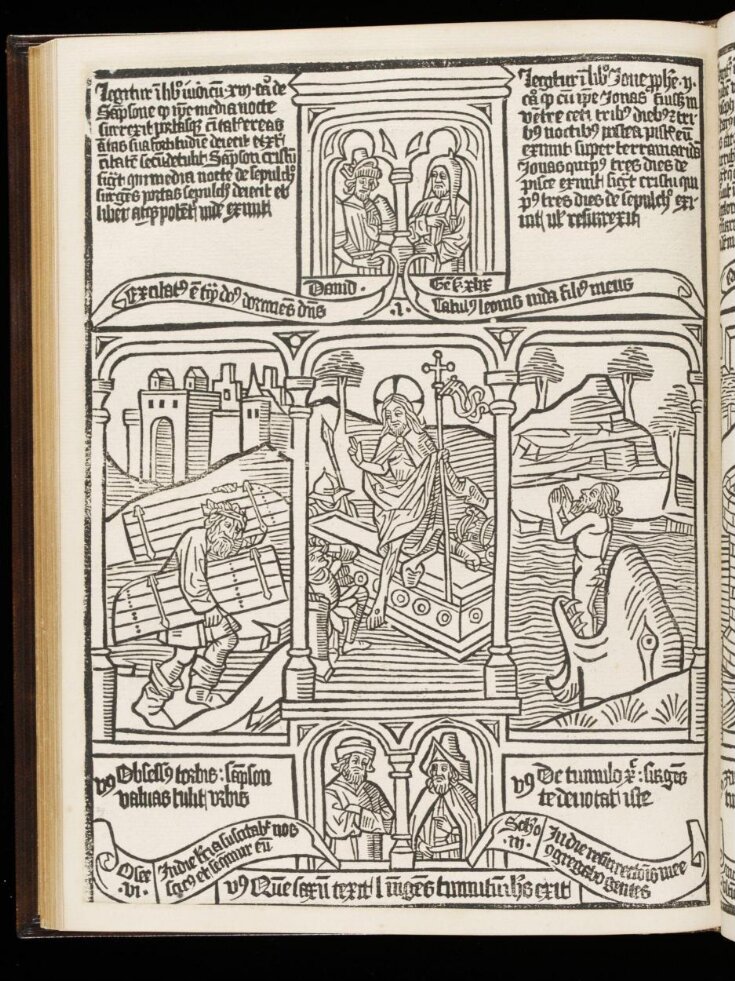
Access to Medieval Psalms Was Limited to Select Individuals
**Sing a New Song: The Psalms in Medieval Art and Life at the Morgan Library & Museum**
The Morgan Library & Museum presents “Sing a New Song: The Psalms in Medieval Art and Life,” an exhibition that explores the profound influence of the Psalms on medieval Europe. Spanning the 6th to 16th centuries, the display highlights the Psalms’ impact on art and religion during this era, although it risks oversimplifying their historical role.
The Book of Psalms, central to both Jewish and Christian traditions, comprises 150 Hebrew poems or songs. Traditionally attributed to King David, they played an integral role in temple worship. Known as “Tehillim” (Praises) in Judaism, the Psalms are viewed differently in Christianity, often seen as prophetic texts foreshadowing Christ’s life.
This exhibition divides its selections into five themes, showcasing a variety of manuscripts, printed texts, and devotional objects. “Translating the Psalms” exhibits the transition of the Psalter into languages such as Latin, Greek, and Hebrew. “Teaching the Psalms” explores their educational role in monastic settings, particularly among clerical circles, though efforts to highlight female literacy can be misleading. “Illuminating the Psalms” celebrates the artistry seen in manuscripts like the Eadwine Psalter and the Lewis Psalter. “Performing the Psalms” addresses how choirs utilized the Psalms in monastic settings, while “Using the Psalms” examines their role beyond worship, as seen in objects like prayer scrolls used for protection.
However, these manuscripts were predominantly elite tools, not accessible to the general populace. While the exhibition presents them as central to medieval Europe, their actual use was mostly restricted to aristocratic and religious circles due to their cost and the political climate. The resistance to vernacular translations is a case in point, illustrating the Church’s control over scriptural access.
Conflict also permeated the Psalms’ usage, particularly in their Christian interpretation as a tool against Judaism. Imprecatory Psalms were often wielded to justify anti-Jewish sentiment, an aspect overlooked when focusing on the Psalms’ universal themes.
Though the exhibition centers on manuscripts, a broader understanding requires placing these works within their performative context — an audio complement would have enriched this presentation. By prioritizing stunning visual arts over the complex socio-religious dynamics, the exhibition provides a limited view of the Psalms’ historical reach.
Understanding this dynamic both enhances appreciation for these artworks and recognizes the Psalms’ layered legacy in a faith-filled yet conflicted medieval world. “Sing a New Song” continues at the Morgan Library & Museum through January 4.