Representation of Pompeii Just Prior to the Catastrophic Eruption of Mount Vesuvius
A bird’s-eye perspective of Pompeii. (Photo: Nick Night on Unsplash)
In the last moments preceding the eruption of Mount Vesuvius in 79 CE, Pompeii was not a city preparing for catastrophe. It thrived with sounds, movements, and daily life. Morning sunlight bathed stone-paved avenues, warming residences adorned in rich reds, ochres, and blacks. For the inhabitants of Pompeii, it felt like just another typical day.
A recent digital reconstruction by the crew at Lost in Time now allows us to visualize that the Roman city did not look like the haunting remains that tourists traverse today. Instead, it was a vibrant, colorful urban setting bustling with people navigating the streets, working in shops, cooking meals, and congregating at the Forum. The eruption that would cover Pompeii arrived abruptly, disrupting daily routines without a hint of warning.
This reconstruction provides one of the most immersive glimpses into Pompeii, utilizing archaeological surveys, architectural measurements, fresco remnants, and historical documentation. Rather than emphasizing destruction, these visual representations revitalize the city as it once was: dynamic, crowded, and teeming with life.
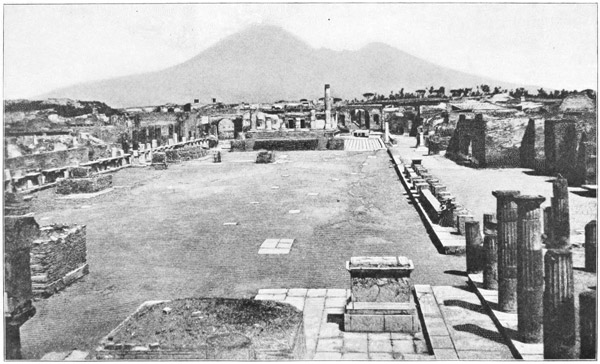
Pompeii’s avenues formed a network of buildings reaching two or three stories tall. Shopfronts opened straight onto the streets, where residents gathered to eat, drink, and socialize. The Forum served as the city’s core, a lively public square encircled by temples, markets, and governmental buildings. In this space, residents came to pray, trade, and engage in discussions.
The reconstruction resurrects the nuances that time has eroded. Sunlight streamed through open ceilings, mosaic floors shimmered below, and frescoed walls displayed scenes of myth and nature. What persists today are remnants of this civilization, glimpses of history etched into walls or illustrated across interiors.
It is through these remnants that we gain insight into how the city operated; how its people dined, bathed, socialized, worked, and even perfumed themselves. When Mount Vesuvius finally erupted, burying Pompeii in ash and pumice, it encapsulated those fleeting moments. These traces of daily existence were frozen in time for those who continue to walk its shattered streets today.
Pompeii was once a flourishing Italian hub of arts and culture, alive with busy markets, baths, and various leisure activities showcasing its prosperity.
Photo: Sage Helene / My Modern Met
In 79 CE, when Mount Vesuvius erupted, the city was devastatingly annihilated and sealed under layers of ash.
Photo: Sage Helene / My Modern Met
Snapshots of daily activities were preserved amid the historical devastation.
Photo: T. Selin Erkan on Unsplash
Now, centuries later, we have the opportunity to explore the ill-fated city to witness what endures and what has been remarkably preserved in the ash.
Photo: Hongbin on Unsplash
Photo: Sage Helene / My Modern Met
Photo: Sage Helene / My Modern Met
Photo: Sage Helene / My Modern Met
By utilizing archaeological data and digital modeling, we can now envision Pompeii as it genuinely appeared just hours before the eruption.
Lost in Time: Website | YouTube
Source: What Pompeii Looked Like Hours Before Its Destruction: A Reconstruction
Related Articles:
Nearly Life-Sized Relief Sculptures in Exceptional Condition Discovered in Pompeii
New Well-Preserved Paintings Discovered at Pompeii Amid Ongoing Excavations
Newly Discovered Pompeii Frescoes Reveal a Different—Wild—Side of Ancient Roman Women
Archeologists Discover “Tiny Home” in Pompeii Filled With Well-Preserved Frescoes