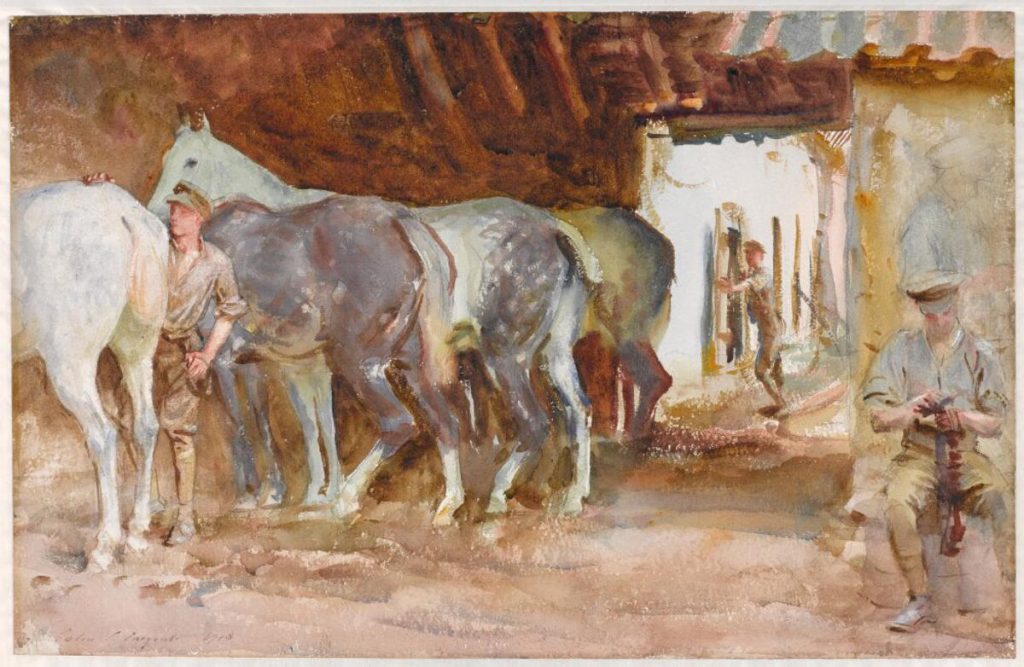
The Artistic Signature of John Singer Sargent in Brushstrokes
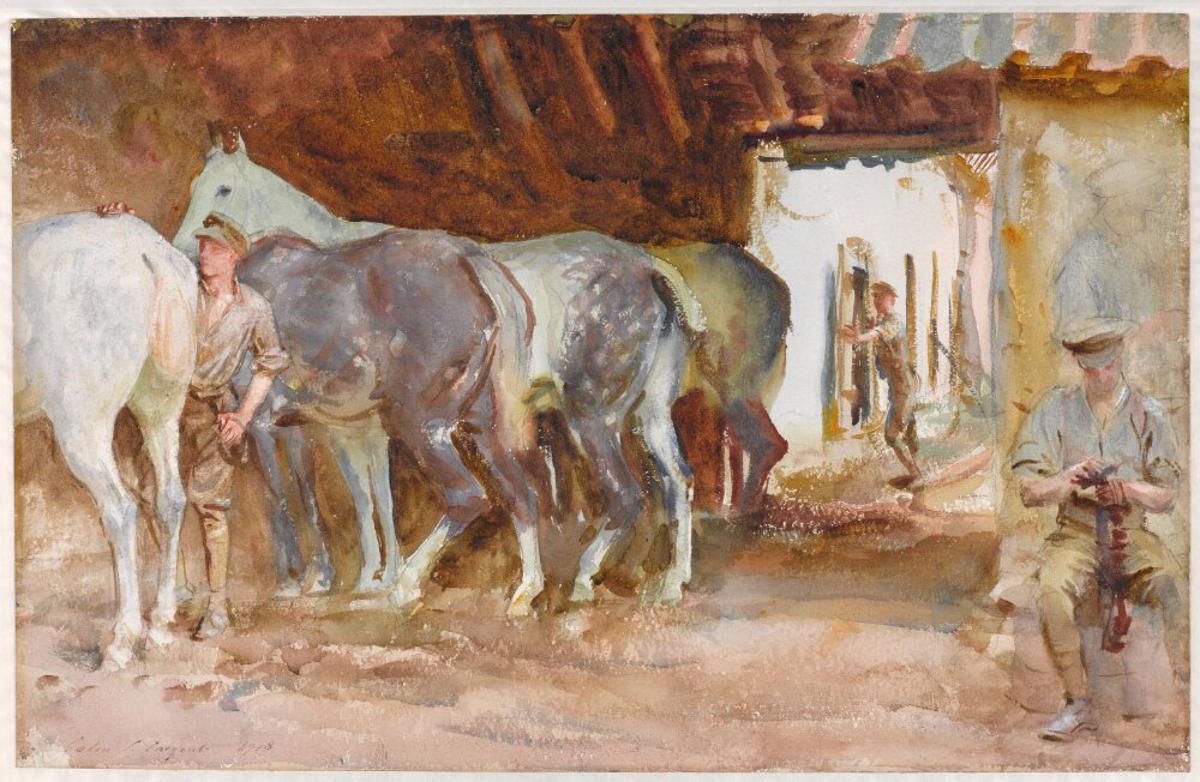
**John Singer Sargent: A Dazzling Engagement with Paris**
John Singer Sargent’s relationship with Paris is a complex tapestry of artistic evolution, transcending the confines of mere geographical association. The exhibition “John Singer Sargent: Dazzling Paris” at the Musée d’Orsay illuminates this intricate relationship, showcasing Sargent’s superb brushwork while subtly probing his ties to the city.
Although Sargent lived in Paris for a decade, his works rarely capture the city’s essence directly. Instead, his art reflects a peripatetic existence, spanning various European locales. The exhibition highlights pieces from Sargent’s Parisian residency (1874–1884), drawing from his broader portfolio to underline his technical mastery and artistic evolution. Notwithstanding, the portrayal of Paris within his oeuvre remains minimal, with only incidental studies like the 1879 “In the Luxembourg Gardens” making appearances.
Opening in September, “Dazzling Paris” follows the high-profile exhibitions “Sargent and Fashion” and “Sargent and Paris” in Boston and New York. Despite his American roots and worldwide acclaim, Sargent’s recognition in France has been limited, making this retrospective at the Musée d’Orsay significant as France’s first monographic display of his work.
The exhibition embarks with a small-scale travelogue, detailing en plein air sketches from Sargent’s journeys across France, Italy, Spain, and Morocco. These serve as foundational works, offering insight into Sargent’s artistic process, which reportedly involved using these sketches as references for larger compositions presented in the Paris Salon, despite their origins elsewhere.
Significantly, “Dazzling Paris” delves into Sargent’s formative years in Carolus-Duran’s Paris studio, showcasing early academic drawings against the backdrop of his later, more opulent society portraits. Works produced during his training, like the detailed “Dancing Fawn” (1873–4) and “Drawing of Ornaments” (1877), exemplify his exquisite precision in capturing texture, light, and form, setting the stage for his later achievements.
Conversely, the display of works like “A Male Model Standing before a Stove” (1875–80) reveals Sargent’s adaptability, contrasting layered, tactile realism with the smooth elegance of his academic pieces. This technical range finds resonance with the minimal brushstrokes of Diego Velázquez and Frans Hals, whose works Sargent studied and emulated, evidenced by his meticulous reproductions of their masterpieces.
Central to the exhibition is Sargent’s controversial “Madame X” (1883–84), a portrait emblematic of his Parisian tenure and its subsequent artistic impact. Alongside an unfinished copy, the painting’s stark, captivating simplicity reflects societal tensions of the time, showcasing Sargent’s ability to balance formal technique with provocative subject matter.
Ultimately, “Dazzling Paris” may not inherently link Sargent to the city in a traditional sense, yet it ingeniously underscores his aesthetic brilliance and artistic legacy. Through this lens, the exhibition invites audiences to revel in Sargent’s paintings as they are — masterpieces that transcend geographical constraints to resonate with audiences anew.
“Sargent: Dazzling Paris” continues at the Musée d’Orsay through January 11, curated by Caroline Corbeau-Parsons, Paul Perrin, and Stephanie Herdrich.