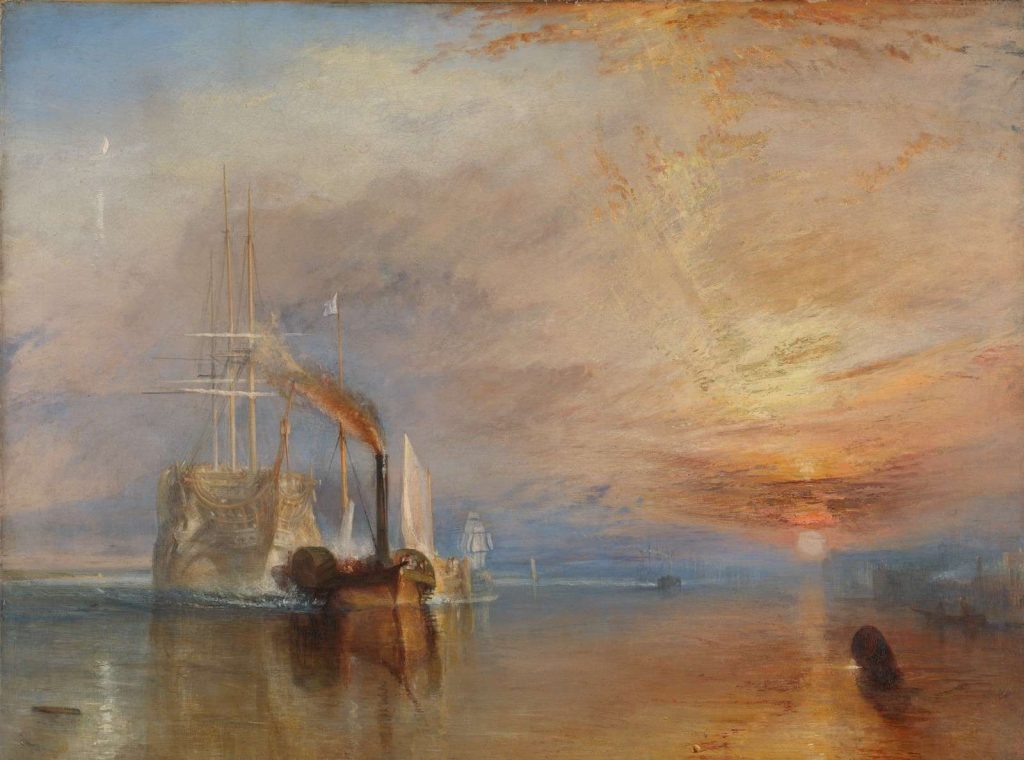
Turner and Constable Exhibit Showcased in London
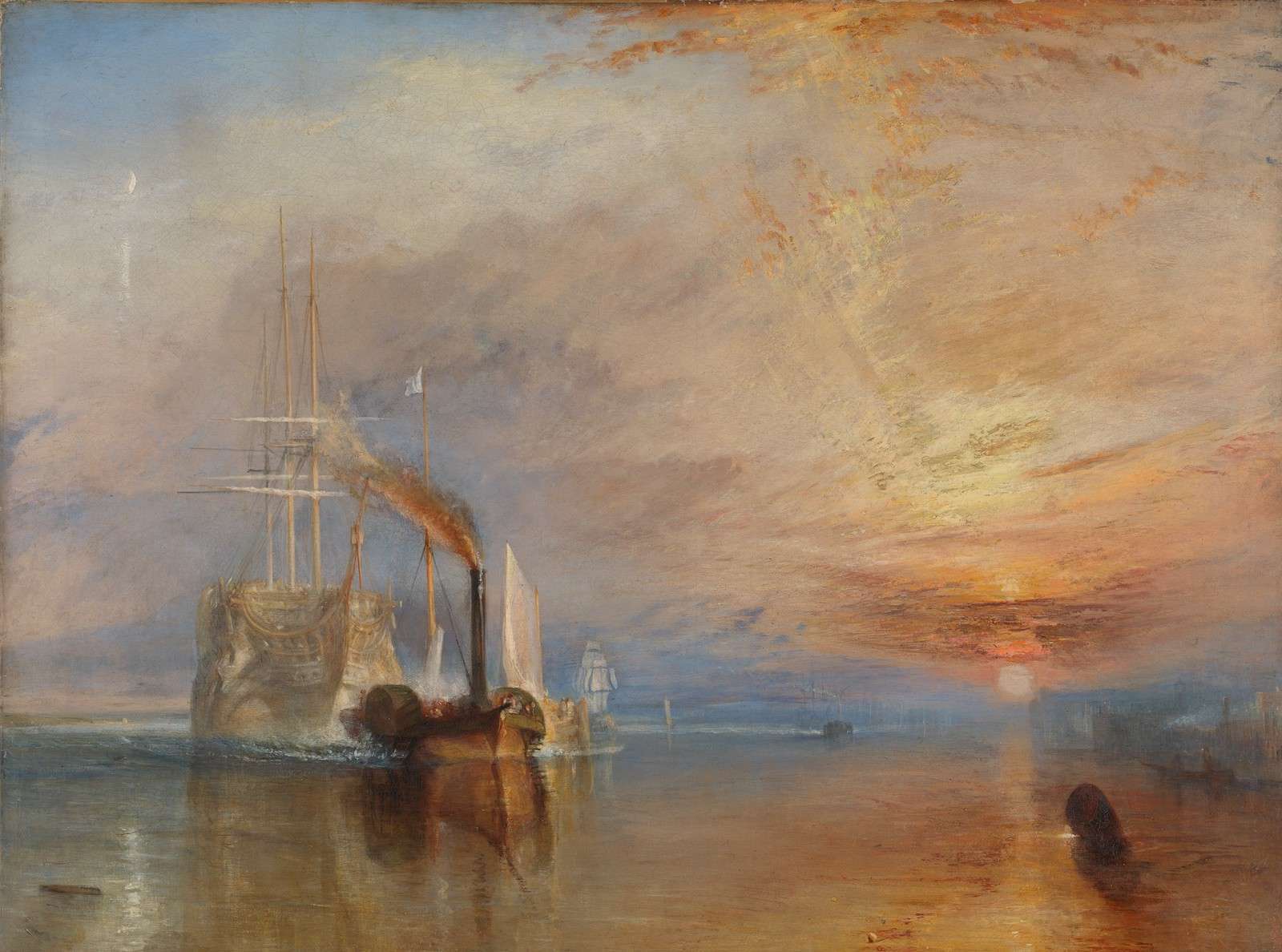
**Is There Any Real Rivalry in Tate Britain’s Turner & Constable: Rivals & Originals, or is it a PR Exercise to Lure Us Through the Door?**
At Tate Britain, the exhibition “Turner & Constable: Rivals & Originals” poses a compelling question: Is there any substantial rivalry between these two titans of British art, or is it merely a marketing strategy to attract visitors? Spread across 12 galleries, this vast show seeks to delineate the distinct yet interconnected worlds of J.M.W. Turner and John Constable, two figures who profoundly shaped the trajectory of art in 19th-century England.
Turner, with his expansive and adventurous spirit, is portrayed as a man forever in search of the new, whether in the chaos of European landscapes or the storied grandeur of ancient scenes. By contrast, Constable remained loyal to the serene beauty of his native Dedham Vale, revisiting it endlessly for inspiration. Despite their differing dispositions and trajectories, both artists were born within a year of each other; Turner in 1775 to a modest barber in London, and Constable in 1776, hailing from a prosperous mill-owning family in Essex.
Their career progressions, too, reveal a stark contrast. Turner gained recognition at a much younger age, becoming a full academician at the Royal Academy in 1802. Constable, after years of hard work, only achieved the same status in 1829, at the age of 52. While Turner was prolific in disseminating his work through prints, with about 900 known copies, Constable’s prints numbered only 57. The two artists’ personalities are brought to life in youthful portraits displayed in the exhibition. Turner’s self-portrait exudes energy, ambition, and a readiness to seize the world. Meanwhile, Constable’s visage suggests entitlement, introspection, and a steely resolve, a reflection of the pressures and expectations he faced, even while resisting his father’s wish for him to join the family business.
A pivotal moment in the exhibition narrative is Constable’s decision to create larger works, sought as a means to garner greater public attention—a tactic Turner had no need for, as his works were already grand in scale and emotion. Constable’s “six-footers,” as he termed them, set the stage for direct competition with Turner in the public arena of the Royal Academy, where Turner was known for his dramatic, last-minute embellishments on Varnishing Day.
When Constable unveiled his monumental scene of Salisbury Cathedral, capturing both size and emotive impact, he firmly placed himself in Turner’s league. However, the confrontation with the Bishop of Salisbury, who disapproved of Constable’s dramatic sky, highlighted the ongoing struggle between artistic intent and patron demands—an enduring challenge for artists throughout history.
Ultimately, the exhibition at Tate Britain captures the unique dynamics of Turner and Constable’s lifelong interactions, inviting viewers to ponder the nature of their rivalry and the rich tapestry of 19th-century British art. “Turner & Constable: Rivals & Originals” remains on view until April 12, 2026, curated by Amy Concannon alongside Nicole Cochrane and Bethany Husband.