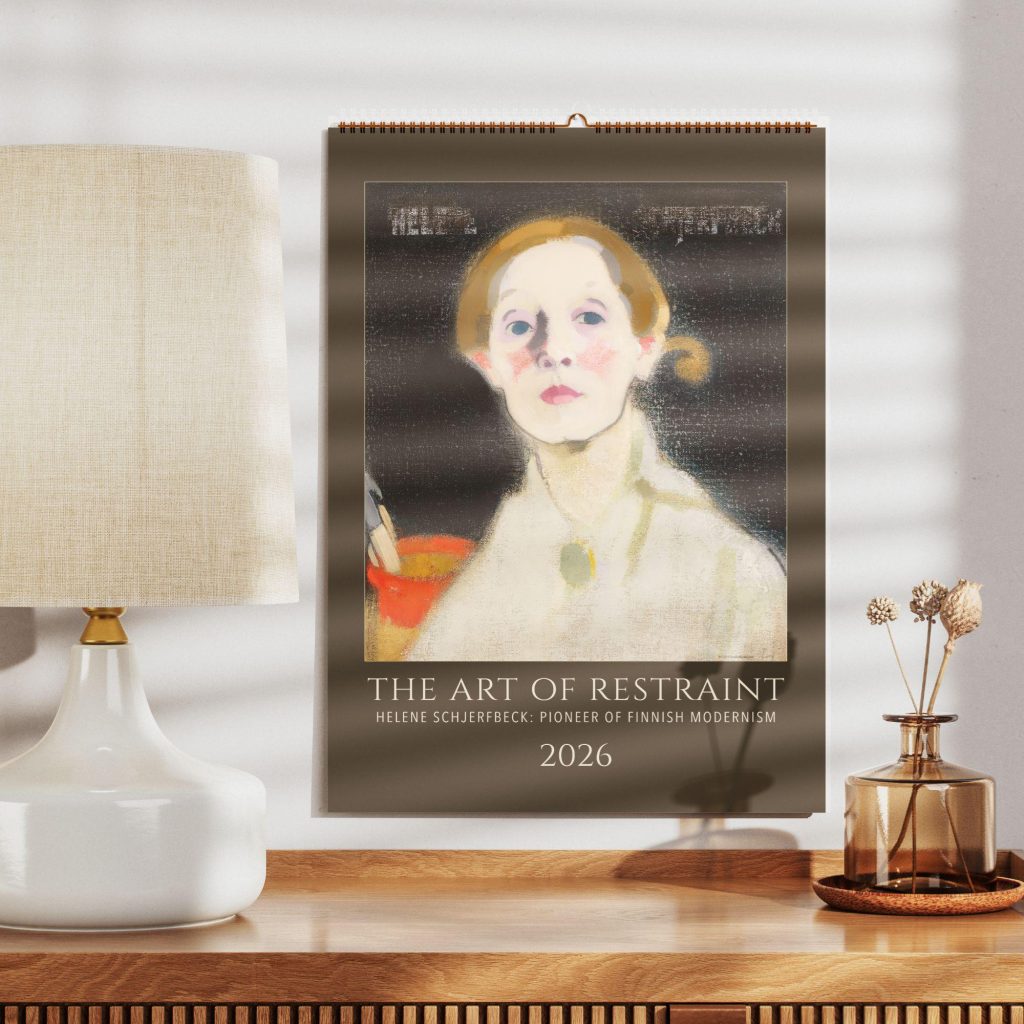
The Artistic Evolution and Legacy of Helene Schjerfbeck
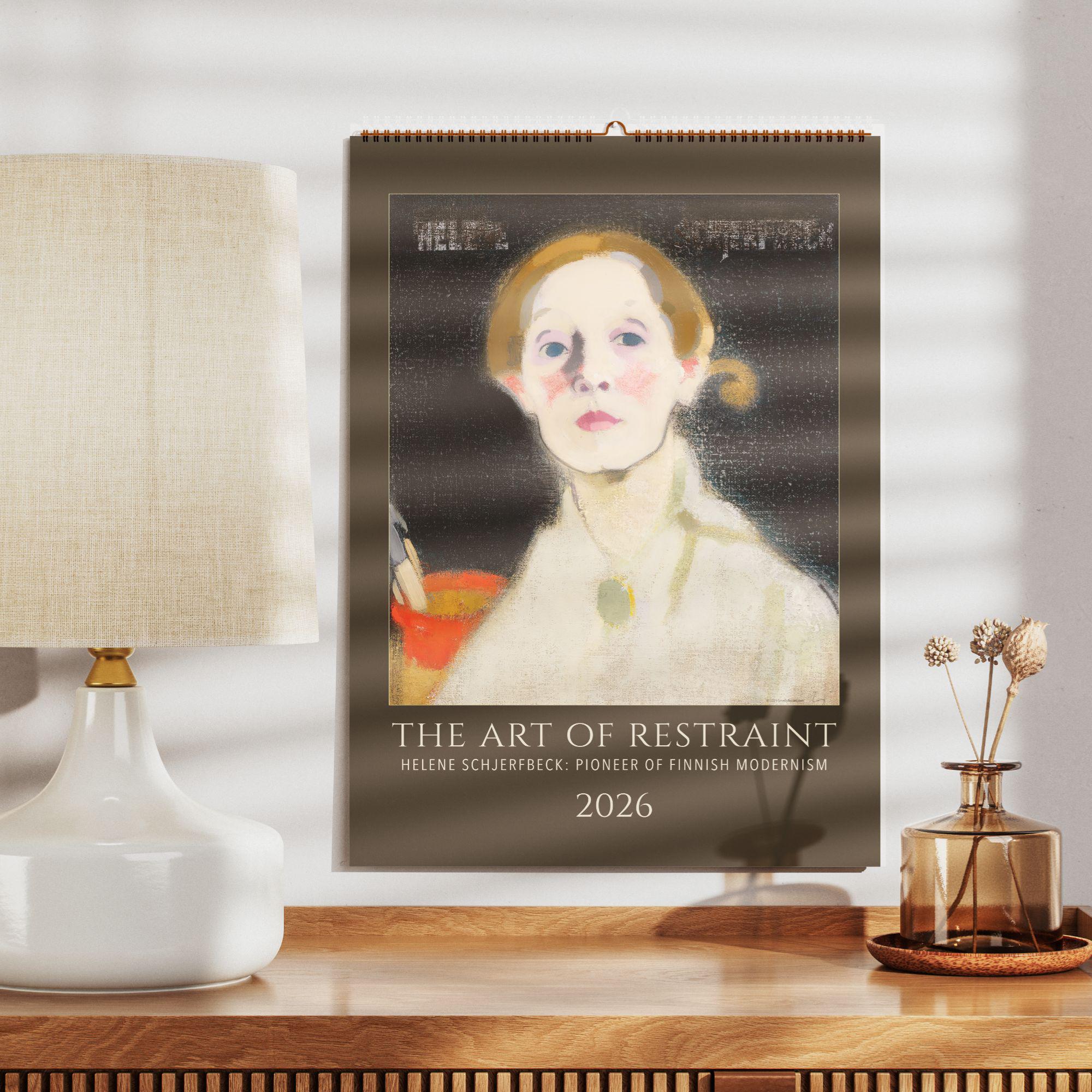
**Helene Schjerfbeck: A Nordic Visionary of Modern Art**
Helene Schjerfbeck’s artwork, showcased in the exhibition “Seeing Silence” at the Metropolitan Museum of Art, invites American audiences to engage with the incredible oeuvre of an artist revered in Nordic countries, especially Finland. Known as much for her cultural significance in Finland as Edvard Munch is in Norway, Schjerfbeck represents a defining figure of modernism. Her paintings, primarily housed in Finnish and Swedish collections, rarely make their way to the United States, thus making this exhibition a unique opportunity to appreciate her brilliance.
**A Journey Through Time**
Born in Helsinki in 1862, Schjerfbeck’s life and career were profoundly shaped by her early talent and the historical context of her era. Growing up in a Swedish-speaking family, she navigated a multicultural European art scene by moving to Paris in 1880, where she further honed her skills at the Académie Colarossi, given that the École des Beaux-Arts was not open to women at the time. Her friendship with Helena Westermarck during these years is immortalized in one of her notable early works, “Portrait of Helena Westermarck” (1884).
**Signature Pieces**
Among the standout displays in “Seeing Silence” is “The Lace Shawl” (1920), the solitary Schjerfbeck in a major American collection, and “The Convalescent” (1888), a piece beloved in Finland, showcasing her expertise in portraying human complexity. Her ability to transcend traditional naturalism led her to a distinct style characterized by abstraction and symbolic use of color.
**Self-Portraits: A Mirror to Time**
Schjerfbeck’s extensive series of self-portraits, which span from her early 20s to the end of her life at 83, offers a poignant narrative of self-exploration and transformation. These works shift from the academic style learned in Paris to an introspective, symbolic abstraction that mirrors the inner workings of her psyche and the physical ravages of aging. Particularly, her “Self-Portrait” (1912) showcases an artist confident in her individuality, with its asymmetric, haunting eyes that hint at an evolving self-conception from the classical to the intensely personal.
**Legacy and Influence**
While resonating with the works of her Nordic contemporaries, including Munch, Schjerfbeck’s art is marked by a unique dedication to exploring the human soul. Her later self-portraits, such as “Self-Portrait with Red Spot” (1944) and “Self-Portrait in Black and Pink” (1946), exude a dramatic confrontation with mortality, reminiscent of frames from early expressionist cinema like “Nosferatu” (1922).
**Final Reflections**
Helene Schjerfbeck remains an artist of unparalleled depth and vision, her works resonating with themes of joy and sorrow that transcended her time. “Seeing Silence,” curated in collaboration with the Finnish National Gallery and Ateneum Art Museum, runs through April 5. It offers an unmissable opportunity to step into the quiet yet commanding world of Schjerfbeck, where silence speaks volumes through the canvas.