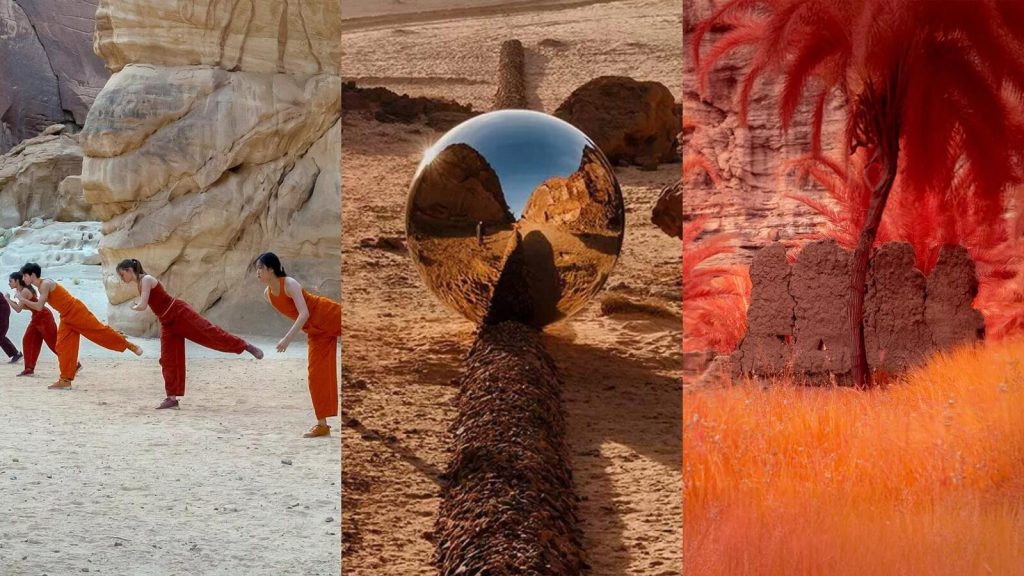
Groundbreaking Art Installations Revealed in the Saudi Desert during Desert X Exhibition
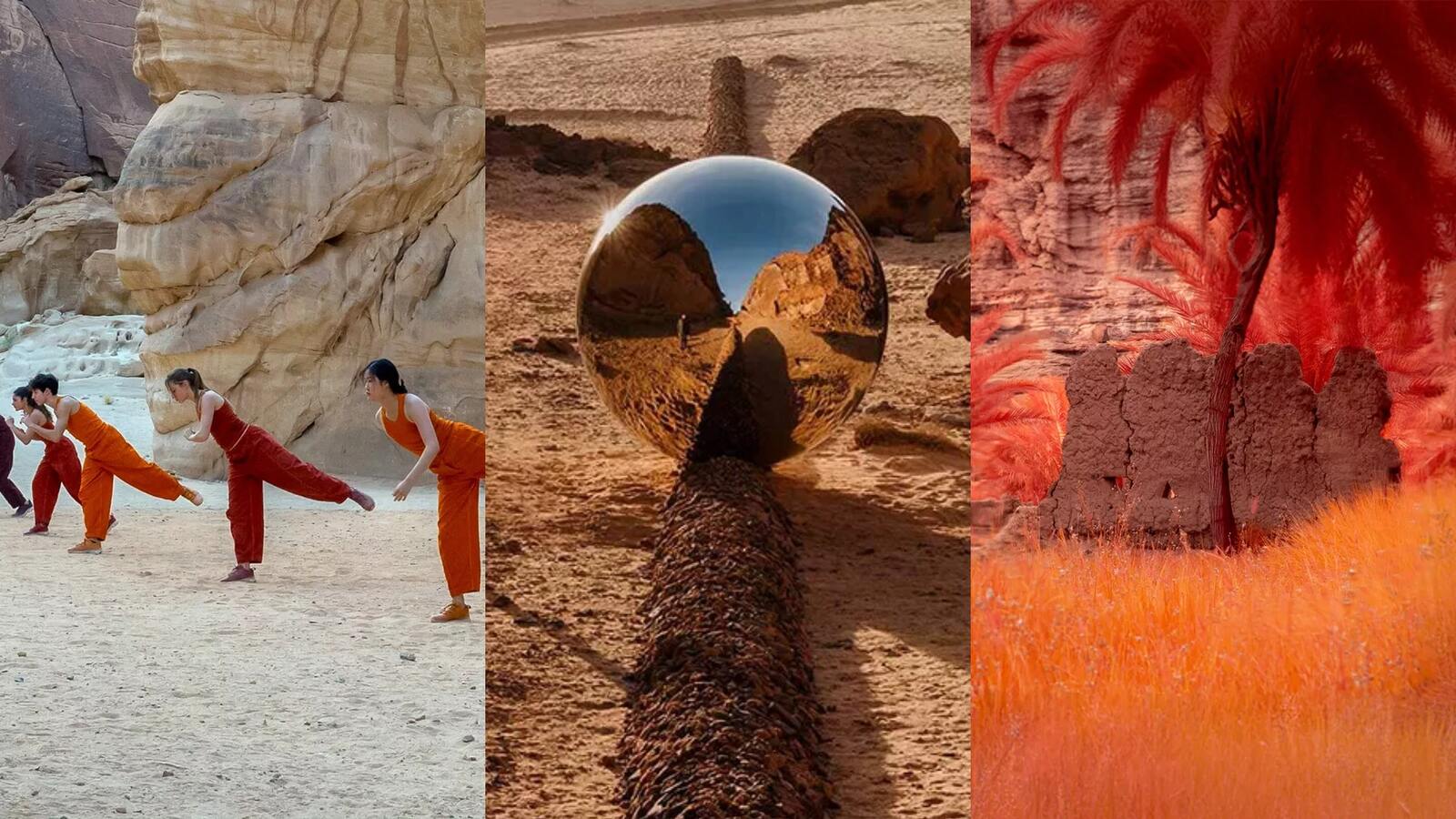
Almost 700 miles away from the capital of Saudi Arabia, Riyadh, lies AlUla, a verdant oasis valley surrounded by towering sandstone peaks. This desert locale has historically attracted visitors to its ancient cultural sites, ranging from a network of 12th-century mud-brick dwellings to Dadan, one of the most advanced cities on the Arabian Peninsula from the first millennium BCE. However, this month, AlUla unveils yet another spectacle: Desert X.
Now in its fourth iteration, Desert X AlUla curates an exciting array of site-specific installations. Spread across the dunes are monumental creations by both Saudi and international artists, each responding to the 2026 theme “space without measure.” This overarching concept translates into immersive artworks that grapple with themes of history, memory, and imagination, all while engaging critically with the surrounding environment.
“For this edition of Desert X AlUla, artists have connected with its valleys and historical pathways to produce works that pay tribute to its landscape while creating new avenues for imagination,” stated Wejdan Reda, co-curator of the 2026 exhibition. “Each commissioned piece invites visitors to experience AlUla through new lenses and moments of contemplation shaped by its terrain, light, and historical context.”
To engage with AlUla’s expansive canyons, striking panoramas, and rugged cliffs is also to ponder the region’s material culture. Therefore, it is no surprise that materiality and sustainability play a significant role in this year’s exhibition, with artists utilizing rammed earth methods, wood and stone carving, botany, and various organic motifs. For example, Agnes Denes presents The Living Pyramid, a botanical installation vibrant with local flora. Its earthy tones harmonize with the surrounding sand, while its pyramidal form recalls ancient architecture. Basmah Felemban also explores sculptural shapes, all grounded in Islamic geometry. Murmur of Pebbles, initially commissioned for the exhibition’s 2024 version and now revised, beautifully captures this essence, its geological texture echoing the ancient rivers that have shaped AlUla’s desert.
Other artists interact more directly with AlUla’s topography. Mohammad Alfaraj presents an intricate land art piece titled What Was the Question Again?, made of concentric circles carved into the sand. At the center stands a palm tree crafted from multiple grafted trunks, implying that all elements of nature stem from this singular entity. Conversely, Tarek Atoui’s The Water Song delves into archaeology and discovery, showcasing half-buried instruments that gently emerge from the soil.
“Desert X AlUla offers such a broad canvas for artists’ concepts to take form,” noted co-curator Zoé Whitley. “Just a stone’s throw from a UNESCO World Heritage site, the vast history converges with contemporary relevance. Witnessing the artists’ processes and how each artwork was conceived, inspired by, and in harmony with the landscape has been incredibly rewarding.”
In addition to AlUla, Desert X also hosts exhibitions in California’s Coachella Valley. The 2025 edition examined the crucial, and at times tense, relationship between nature and humanity, addressing the “immaterial” and “nonlinear” narratives found in desert environments. Desert X will return to Coachella Valley in 2027, commemorating the organization’s 10th anniversary.
“In its initial decade, Desert X evolved into a living experiment in art’s ability to influence our perception of place,” remarked Jenny Gil, executive director of Desert X. “The next ten years are focused on advancing that mission—rethinking collaboration, sharing space, and integrating art as a vital element of public imagination.”
Desert X AlUla will be on display until February 28, 2026. For further information and to plan your visit, please visit the Desert X website.