The Jazz Photographs Censored by the FBI
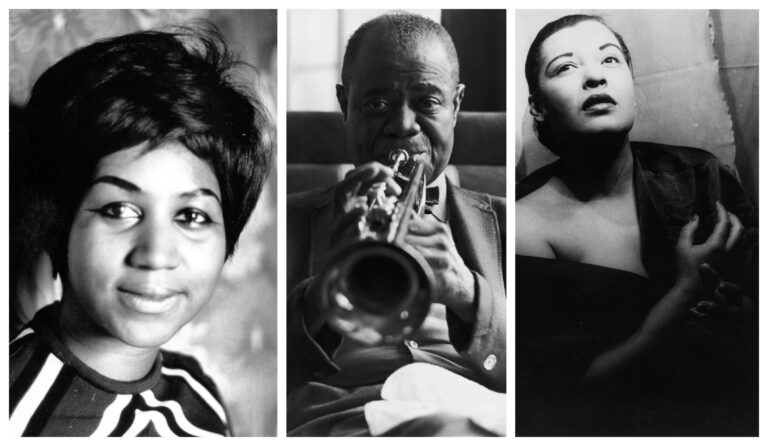
A new book, “Lisette Model: The Jazz Pictures” (2025), uncovers a hidden treasure trove of over a thousand photographs by the esteemed photographer Lisette Model, capturing the vibrant East Coast jazz scene between the early 1940s and 1959. Model, who fled from Vienna to the US in 1938 due to the rise of the Nazis, captured iconic figures like Billie Holiday and Louis Armstrong. Despite the potential impact of her work, these images remained concealed until now, mainly due to the oppressive political climate during the 1950s Red Scare in America, which feared leftist influences and led to Model being placed on an FBI watchlist.
Model, originally a musician inspired by Arnold Schoenberg, found a new life in photography when her musical career was cut short by the events of 1933. Her photographs of the jazz scene reveal the joyous vibrancy of a culturally dynamic America, offering stark contrast to her other work known for its critical eye on humanity. The book not only showcases her artistry but also serves as a historical reflection on the era’s racialized dynamics and political persecution, reflecting government repression reminiscent of modern times.
Despite the setbacks and fears from McCarthyist tactics that led to suppressing her project, this publication serves as a triumph over adversity and an acknowledgment of a crucial cultural history. Featuring essays by Audrey Sands and Langston Hughes, the book offers insights into Model’s life and work, ultimately framing jazz as a “montage of a dream deferred,” and is now available to readers seeking to connect with this pivotal time in history and art.