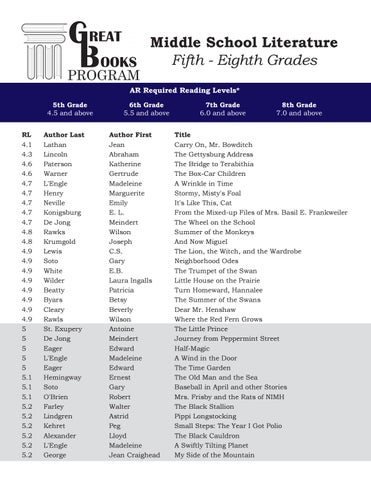
Mandatory Reading List
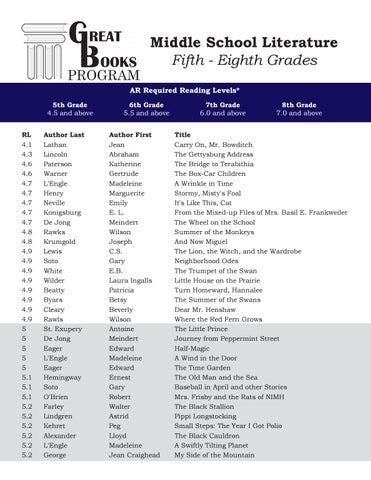
This week’s events showcased the power and diversity of community expressions worldwide. In Buenos Aires, thousands rallied in a women’s strike post-International Women’s Day, highlighting the ongoing struggle against patriarchy. Protesters, donning black, utilized symbolic blindfolds to represent global attempts to silence women, coinciding with a United Nations report urging Argentina to bolster gender violence policies.
In Brooklyn’s Crown Heights, street art initiated a dialogue on complex global issues, with pro-Palestine graffiti sparking responses that brought attention to the intricate narratives of identity and solidarity. The authenticity of these expressions contrasts with organized campaigns featuring Israeli hostage posters, underscoring varying approaches to activism in urban spaces.
Art and history continue to intertwine, as Tudor-era portrait miniatures gained attention for their role in fostering personal connections and political alliances. These intricate art pieces served as tokens in times predating photographic technology, reflecting society’s deep-seated cultural exchanges.
A contentious report revealed that over 260,000 human remains from former colonies are held in UK museums, prompting calls for compassionate repatriation. These remains, a legacy of colonial exploitation, urge institutions to recognize and rectify historical injustices.
Disclosures from the DOJ brought renewed focus to Jeffrey Epstein’s connections, including allegations against high-profile figures. Though these revelations are under intense scrutiny, they contribute to the ongoing discourse on power and accountability.
A deeply personal letter from Mahmoud Khalil to fellow activist Leqaa Kordia captured the enduring struggles and resilience of Palestinians, resonating with broader themes of displacement and identity. As communities remembered and resisted, they embodied the tenacity of shared histories and futures.
Cultural discussions continued as Misty Copeland defended the relevance of ballet and opera against dismissive remarks from Timothée Chalamet, asserting the enduring significance of these art forms in contemporary society.
In New York’s Chinatown, the proliferation of chain boba shops challenged local businesses, reflecting broader trends of urban gentrification and cultural displacement.
Ramadan celebrations brought reflections on Islamic iconography, while artistic communities engaged in reclamation, as DeAnn Wiley reimagined a New Yorker illustration, highlighting the continuous dialogue between media portrayal and cultural pride.
Lastly, personal mapping of museums, specifically The Met, emerged as a creative hobby, symbolizing the intersection of personal exploration and artistic appreciation, capturing the essence of how individuals engage with cultural institutions.