Returning to Tehran: A Journey Home with Migratory Birds
The Alborz Mountain range once stood as a robust natural barrier gracing the skyline of Tehran, a symbol of stability and permanence. Yet, as bombs descend upon it, reshaping its rugged peaks into frail silhouettes on a map, the profound impact of war becomes unmistakably clear. This destruction, unfolding on screens worldwide, casts a shadow over distant hearts, drawing attention to the ever-changing geography of longing and terror.
The darkened skies over Tehran pour black rain onto streets familiar to many, their memories etched in each step of those pathways. The digital realm offers harrowing snapshots of explosions that prompt many questions for those connected to the city: How close is this to loved ones? Is safety still a tangible reality? Distance only magnifies the despair, redefining miles as the closeness of emotional bonds rather than mere physical measurement.
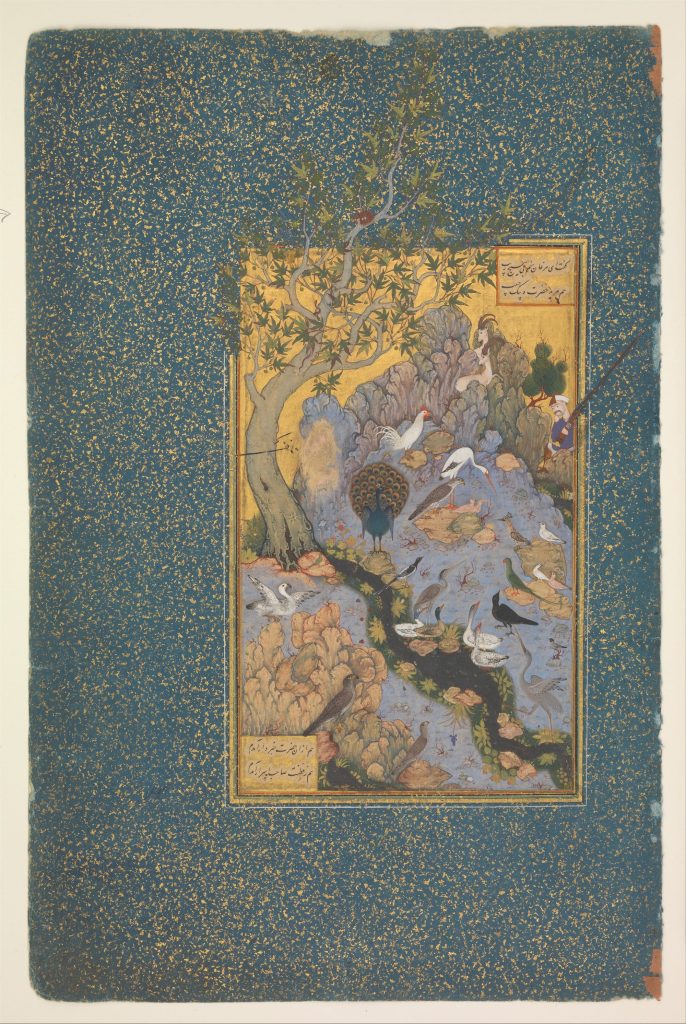
In such tumultuous times, reflective escape is sought in literature, such as Attar of Nishapur’s iconic “The Conference of the Birds.” This allegorical journey of birds in search of enlightenment mirrors the struggles faced by many. Attar’s metaphoric narrative, once solely mystical, now serves as a contemporary psychological guide, resonating profoundly with those experiencing exile’s trials. In the text, each bird echoes a facet of human nature, intertwining grace and frailty, attachment and fear, unveiling the diaspora experience through its soul-searching expedition.
A world governed by uncertainty and turmoil places individuals at the intersection of parallel lives—one lived in the physical present and the other entrenched in cultural memory. Attar’s narrative becomes a poignant representation of the exile’s psyche. The destination, symbolized by Mount Qaf, known in Persian cosmology as Hara Berezaiti, resonates deeply with those whose heritage is rooted in the Alborz range, reinforcing how geographical symbols of origin continue to inhabit one’s being.
Attar’s birds traverse valleys that symbolize the layers of separation and yearning, their journey culminating at a mythical mountain revealing self-awareness rather than a tangible king. This revelation mirrors the collective diasporic hope—to reconcile inner worlds with the physical distance from places of origin, while deeply understanding the unwavering attachment that persists irrespective of geographical divergence.
As the Alborz range transforms under the weight of conflict, immortalized in the reflections of immigrants and exiles, Attar’s allegory becomes a testament to the enduring resilience of the human spirit and the intrinsic connections that defy destruction. The journey highlights not the achievement of reaching a destination, but the revelation of inherent bonds to home, identity, and self-discovery within collective resilience.
Thus, in both Attar’s tale and the modern world, when faced with the fractures brought upon by bombs and borders, the enduring quest remains: to reach that mirror of self beneath the chaos and find solace in unity and shared heritage.