Understanding Rubber Hose Animation
Title: Understanding Rubber Hose Animation
Rubber hose animation, a seminal style in the evolution of animated art, emerged in the 1920s and captured the whimsical essence of early animation with its distinctive characteristics. This animation style, known for its elastic-like limbs and simple geometric forms, played a crucial role in defining the creativity and artistic expression of the early 20th century.
**Historical Context**
Rubber hose animation arose during a period when animation techniques were still in their infancy. Artists sought ways to simplify the process of movement depiction, curtailing the complexity involved in rendering realistic anatomy. This era of animation set the groundwork for modern techniques, contributing significantly to the development of the medium.
**Characteristics of Rubber Hose Animation**
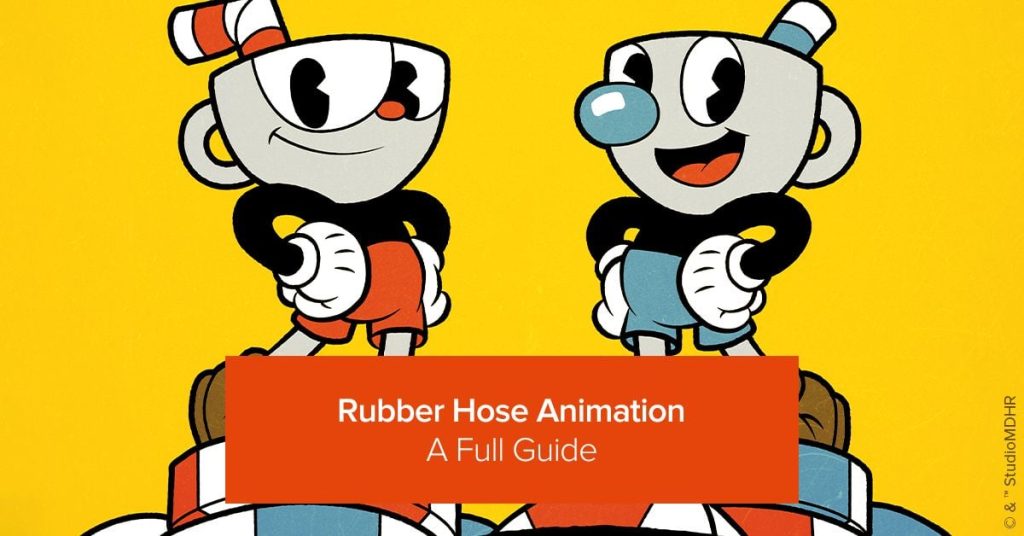
The hallmark of rubber hose animation is its simplified, fluid motion, where characters possess bendy and stretchy limbs, akin to rubber hoses. This style allows for exaggerated, highly expressive character actions and reactions, granting animators the liberty to focus on movement and personality rather than anatomical precision.
Characters in this style often display rounded bodies, pie-eyed faces, and exaggerated facial expressions. Objects and environments also mirror these attributes, contributing to a cohesive whimsical world where physical laws are secondary to narrative and visual humor.
**Significant Contributions and Influence**
The style was popularized by early animation studios such as the Fleischer Studios with characters like Betty Boop and Popeye, and Walt Disney Studios through iconic figures like Mickey Mouse. It became a defining characteristic of the “Golden Age of Animation,” setting a foundation of humor and flexibility that would influence generations.
Though technology has advanced, rubber hose animation laid essential groundwork in character animation’s evolution. Even today, it serves as an homage to vintage animation methods, influencing modern animators seeking to capture nostalgia and historical roots in their work.
**Legacy and Revival**
Despite being overtaken by more realistic styles and technological advancements, interest in rubber hose animation has been revived in recent years. Modern projects like the video game “Cuphead” and various indie animations have showcased the enduring appeal of this style.
This revival is fueled by a desire to recapture the simplicity and expressiveness that defined early animation. The style’s resurgence highlights ongoing appreciation for the foundational techniques that allow animated works to push the boundaries of creativity and imagination.
In conclusion, rubber hose animation represents a significant chapter in the storied history of animation. Its foundational techniques and unique style continue to inspire and inform animators, ensuring its place as a cherished relic of animation’s vibrant past and a cornerstone for its innovative future.