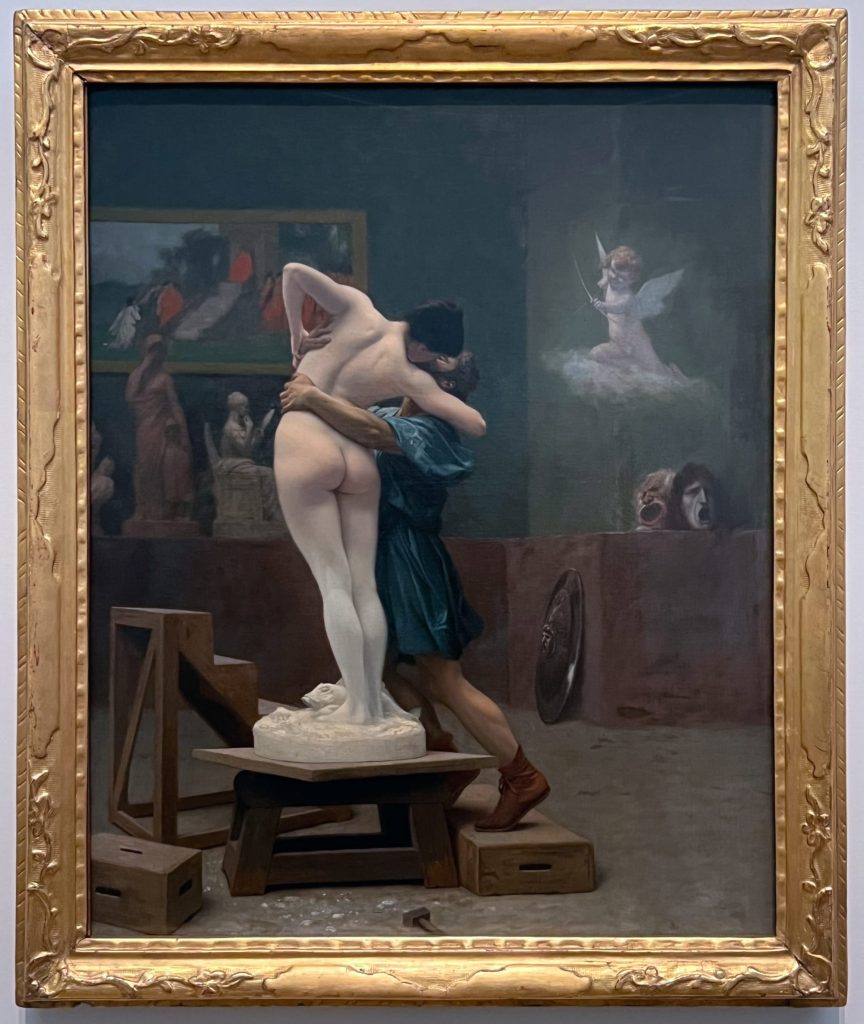
A Modern Interpretation of Ovid’s “Metamorphosis”
**Art Review: Exploring Transformation at Rijksmuseum’s Metamorphoses Exhibition**
The Rijksmuseum in Amsterdam is currently showcasing “Metamorphoses”, an exhibition inspired by Ovid’s renowned poem, exploring themes of creation, transformation, and desire. This ambitious event brings together works from various periods, highlighting the timeless allure of Ovidian myths.
Upon entering the gallery, visitors encounter Louis Finson’s dynamic painting “The Four Elements” (1611), a depiction of chaotic creation. It serves as an introduction to a diverse collection that includes Renaissance-era masterpieces, antiquities, and modern works. The exhibition aims to demonstrate how artists across time have interpreted myths of desire and transformation.
Notable pieces include Constantin Brâncuși’s “Promethee” (1911), Ana Mendieta’s evocative photograph “Birth (Gunpowder Works)” (1981), and Auguste Rodin’s sculpture “La Terre (The Earth)” (1884/96). These works examine the delicate balance between perpetual transformation and a predetermined world.
The exhibition doesn’t shy away from the darker aspects of mythology. It delves into stories of women transformed by divine jealousy or violence, illustrated by works like Michelangelo’s “Leda and the Swan” and Correggio’s “Jupiter and Io”. The juxtaposition of these pieces with contemporary works like Juul Kraijer’s photograph highlights ongoing dialogues regarding gender and power.
Although the exhibition touches on gender and queerness, with pieces like Ulay’s “S’he”, the exploration feels incomplete. A striking example is the Roman sculpture “Sleeping Hermaphroditus”, which, isolated in its gallery, misses the chance to engage deeply with contemporary intersex narratives.
Overall, “Metamorphoses” is a visual feast that successfully brings Ovid’s myths to life, though its cautious approach to controversial themes might leave some wanting more. Regardless, the presence of legendary artists such as Caravaggio and Titian ensures its allure for art enthusiasts. The exhibition continues through May 25 and is curated by Frits Scholten, promising visitors an intriguing journey through art and mythology.