British Museum’s Display Changes: Removal of Palestinian Exhibits?
The British Museum has recently come under scrutiny for updates made to its Middle East Galleries, particularly regarding references to the ancient region of Canaan and allegations of erasing Palestinian history. The museum confirmed that some displays now reflect ancient cultural regions with terms such as ‘Canaan,’ a name that references an area encompassing present-day Palestine, Israel, Syria, and Jordan from around 1500 BCE. However, it emphasized that the term “Palestine” remains in use within other displays, contrary to reports suggesting its removal.
A British Museum spokesperson clarified that amendments were made to better reflect the region’s history during the later second millennium BC, and denied allegations of removing the term “Palestine” entirely from their exhibits. The museum continues to utilize UN terminology for modern geographic boundaries and acknowledges Palestinian identity where relevant.
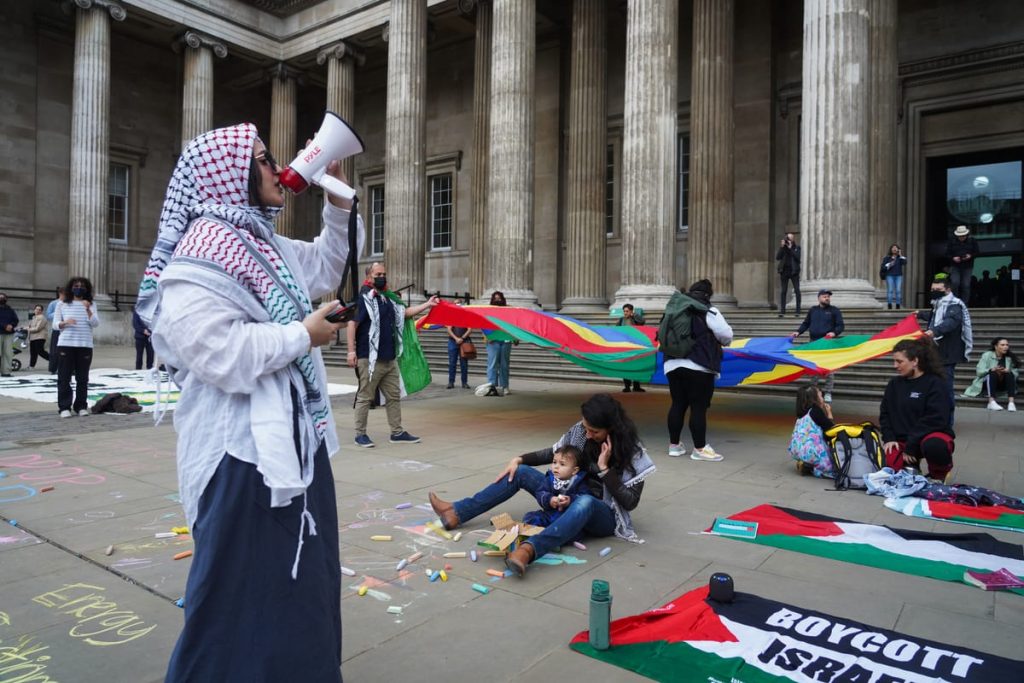
In response to these changes, UK Lawyers for Israel expressed approval, crediting their advocacy for the terminology adjustments, and encouraging the use of historical names for regions. Conversely, this move has been criticized by organizations like the Palestine Forum in Britain, which accused the museum of historical erasure and urged the restoration of references to Palestine. More than 13,000 people have joined a Change.org petition demanding the reinstatement of Palestine-related labels and transparency in curatorial decisions, arguing the changes undermine historical integrity. Scottish art historian William Dalrymple further questioned the legitimacy of removing “Palestine,” highlighting its ancient references.
The British Museum maintains the changes were internally decided and insists on maintaining professional integrity free from external pressures, aiming to reflect the historical complexities of the regions represented in its galleries.