An Analysis of Thomas Gainsborough’s Portraiture Reflecting Themes of Pride and Prejudice
**Art Review: Gainsborough and the Art of Fashion**
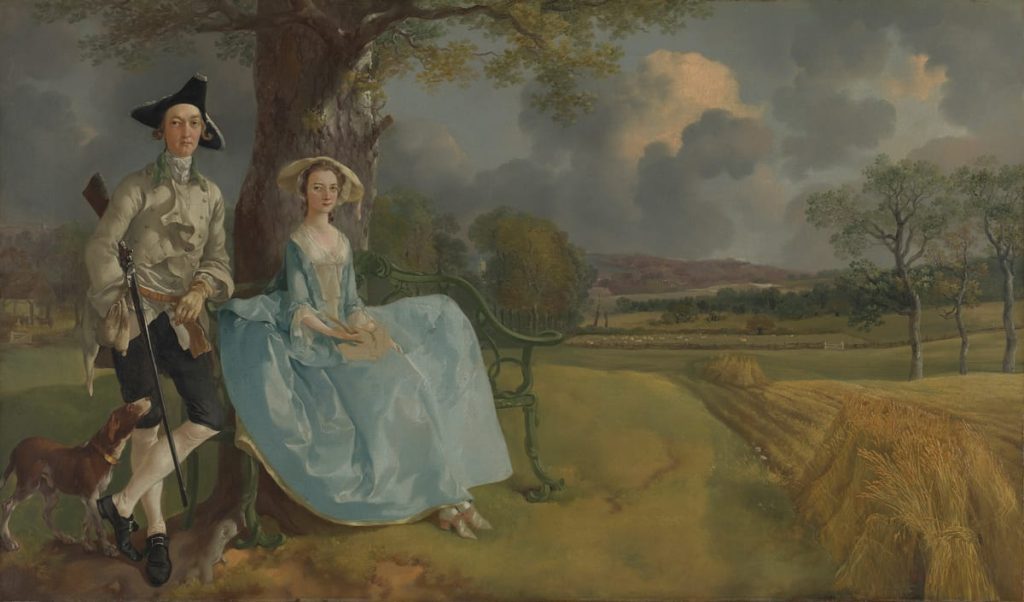
The exhibition “Gainsborough: The Fashion of Portraiture” at the Frick Collection offers a nuanced exploration of Thomas Gainsborough’s paintings, highlighting the complex interplay between art, fashion, and social hierarchy in 18th-century Britain. Renowned for his ability to blend landscape and portraiture, Gainsborough crafted images where clothing and landscape acted as symbols of ownership and belonging. Notably, works like “Mr. and Mrs. Andrews” and “The Gravenor Family” display his talent for capturing the subtleties of fabric and landscape, transforming them into declarations of status.
The exhibition, curated by Aimee Ng, delves into the moral implications of taste in Gainsborough’s time. As colonial trade expanded wealth rapidly, discerning between virtuous and vulgar consumption became crucial, with taste acting as a moral barometer. Gainsborough’s portraits, like those of Sarah Hodges and Mary, Countess Howe, illustrate how status and taste were intricately linked, shaping social narratives through fashion.
The exhibition also sheds light on Gainsborough’s adaptability to evolving trends, as seen in his revisions of portraits like “Mrs. Samuel Moody” and “Mrs. Sheridan.” Yet, it is most poignant where it critiques the limits of taste as a transformative force, as with the portrayal of Ignatius Sancho, whose dignified depiction contrasts with the societal constraints of the time.
Ultimately, “Gainsborough: The Fashion of Portraiture” makes an urgent statement about taste’s role in maintaining social fictions, offering both aesthetic pleasure and a critical reflection on the promise of style to elevate wealth to moral high ground. The exhibition runs until May 25, 2026.