Tracey Emin’s Art Inspired by Therapy
**Social Practice Art and Cultural Co-Opting: A Tale of Modern Challenges**
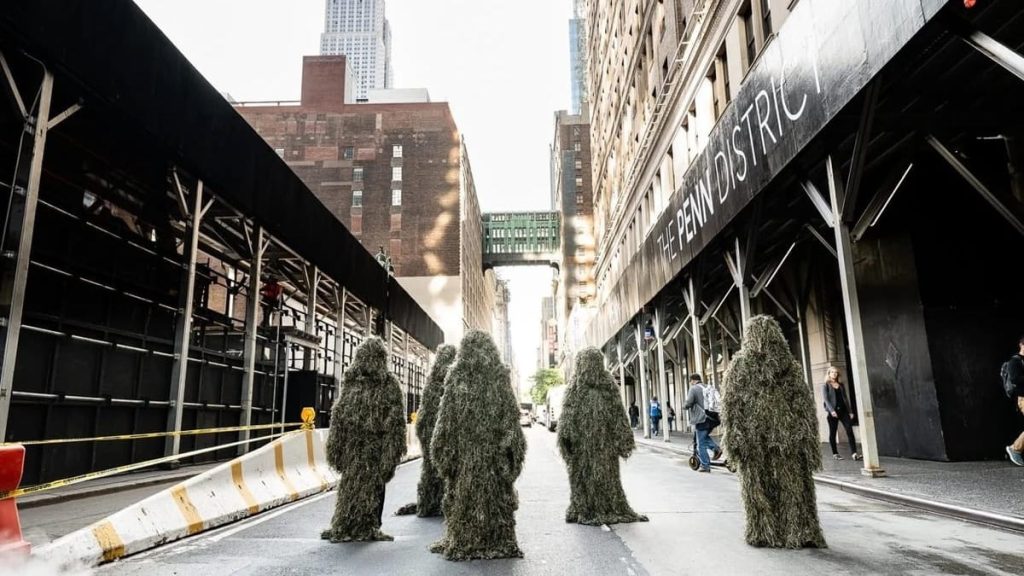
In a world where art is no longer confined to traditional galleries and museums, the realm of social practice art emerges as an intriguing field that aims to engage communities beyond the conventional “white cube” spaces. For decades, this genre has served as a powerful tool for artists to challenge societal norms, inspire change, and foster community interaction. However, as the founder of Art in Odd Places, Ed Woodham, highlights, the very systems social practice art intends to critique are now co-opting its forms, raising critical questions about authenticity and purpose.
**The Rise of Social Practice Art**
Art in Odd Places exemplifies the movement of art towards more interactive and community-centric practices. Initiatives like these seek to break away from the exclusivity of galleries, bringing art into public spaces where it can engage with broader audiences. This form of art is not just about expressing creative ideas; it also aims to have a tangible impact on society by addressing pertinent issues such as social justice, inequality, and community development.
**Challenges of Cultural Compliance**
The fundamental challenge today is that the language and aesthetics of social practice art, originally designed to question systems of power, are being absorbed by those very systems. Corporate and institutional entities have shown a remarkable ability to incorporate artistic trends, often diluting their original intent to fit marketable narratives. This phenomenon of cultural compliance poses the risk of social practice art losing its edge and becoming another cog in the machinery of consumer culture.
**Social Malpractice: A New Framework**
In response to these challenges, Ed Woodham introduces the concept of Social Malpractice—an avant-garde initiative serving as a workshop and think tank to address these complexities. Social Malpractice aims to function as a “warning system” that alerts artists and communities to the risks of co-optation. It encourages artists to critically examine how their work could be manipulated and to strategize ways to maintain the integrity and transformative power of their art.
**Artist Spotlights: Tracey Emin and Beyond**
In this context, the works of artists like Tracey Emin are revisited with a critical lens. Emin, known for her deeply introspective and promotional style, stands at a crossroads of self-exploration and public engagement. Meanwhile, Frank O’Hara’s legacy, not just as a poet but as a curator who championed post-war innovations in art, reminds us of the foundational role artists play in shaping cultural narratives.
**Future Directions for Social Practice Art**
As the art world continues to evolve, social practice art must navigate the fine line between authenticity and external influence. Ongoing dialogues are essential to explore innovative practices that can counteract cultural compliance. Artists, critics, and institutions are encouraged to create platforms that emphasize genuine community empowerment and artistic freedom.
Through initiatives like Social Malpractice, there remains hope for preserving the integrity of social practice art and ensuring its role as a catalyst for meaningful change. Future generations could benefit from this resilient art form, which, despite challenges, persistently seeks to use creativity as a means of societal transformation.