Visitors Could Be Obligated to Pay Entrance Fees at England’s Most Favored Museums
Supporting the arts is becoming an increasing challenge globally, and England is currently exploring innovative methods to fund its cultural institutions and art funding initiatives. One contentious proposal being considered is to impose an entry fee on international tourists visiting the UK’s most prominent museums and galleries.
Although the proposal has not been enacted yet, the Department for Culture, Media and Sport (DCMS) intends to collaborate with museums to evaluate the feasibility of charging international patrons. This suggestion arises from a review of Arts Council England conducted by Labour politician Baroness Hodge, who identified significant financial strain within the cultural sector. Presently, national museums receive approximately £484 million (around $640.7 million) in annual public funding and must remain accessible free of charge to all visitors.
The specific fee, if put into effect, has yet to be determined, but estimates of roughly £15–£20 (about $20–$26) have been proposed, aligning it with admission fees at major museums worldwide. A UK government report for 2023–24 indicated that international visitors made 17.5 million visits to 15 DCMS-sponsored museums from April 2023 to March 2024, accounting for about 43% of the total. If the number of international visitors stays consistent, the new initiative could yield between £262 million and £350 million ($347 million and $463 million) annually. Nonetheless, visitor numbers would likely decline once an entry fee is instituted.
The proposals have understandably generated criticism from institutions that aspire to maintain free access for everyone, irrespective of their origin. As reported by the Financial Times, V&A director Tristram Hunt remarked that the museum is not “institutionally attracted to” the concept of charging international guests. Meanwhile, Tate director Maria Balshaw has suggested that England should explore the implementation of a tourist tax instead of charging for entrance to UK museums.
But how would museums effectively differentiate between UK residents and tourists? Hodge’s review proposes the adoption of a universal digital ID system to distinguish residents from international visitors. However, such an identification system does not currently exist, and similar proposals have been previously dismissed.
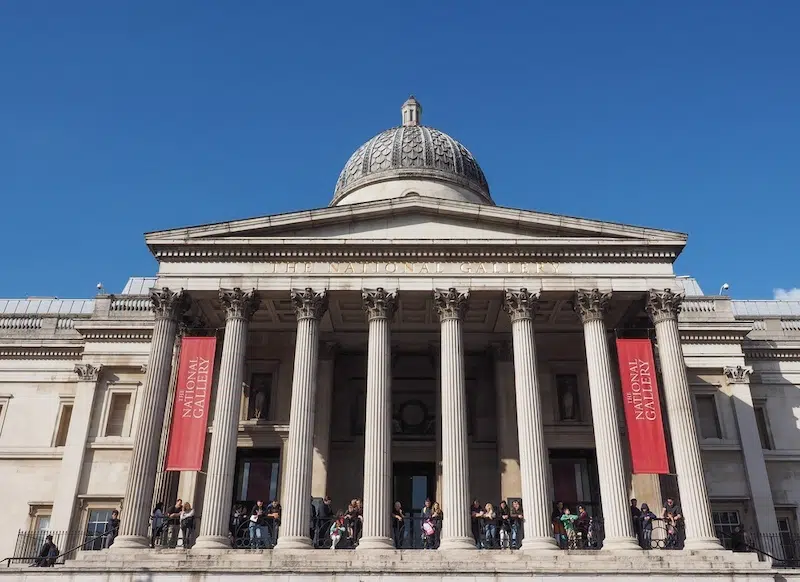
If the plan advances, prominent institutions such as Tate, the V&A, the British Museum, and the National Gallery could start charging international visitors, despite currently providing free access to their collections. Thus, if you have considered visiting these museums and wish to avoid a potential fee, it may be advantageous to arrange your trip sooner rather than later.