
Jack Kirby Was a Youngster From the Lower East Side Who Evolved into the ‘Royalty of Comics’ and Created Superhero Lore. Now, New York City Has Designated a Street in His Honor
The creator who collaborated on Captain America and other legendary figures is being celebrated in the area where he was raised
Clay Geerdes / Getty Images
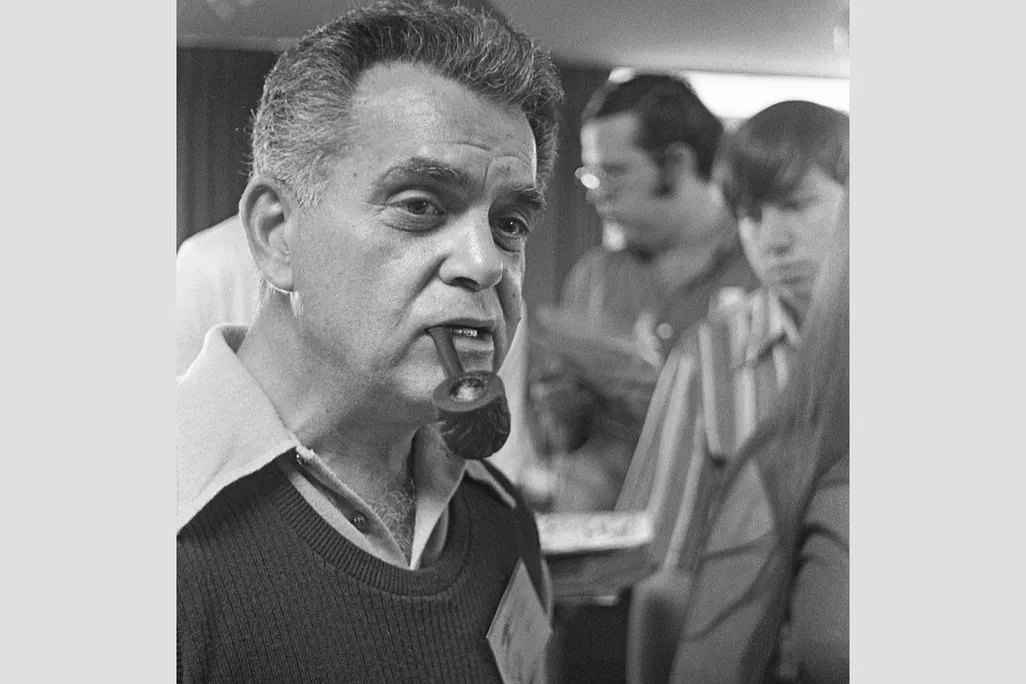
At the intersection of Delancey and Essex Streets on Manhattan’s Lower East Side, a new sign will declare: “Jack Kirby Way.” This is the birthplace of the comic book icon, Jacob Kurtzberg, in 1917. As a youth, he grew up in a tenement, in a neighborhood known for being one of the most densely populated on the planet.
He evolved into Jack Kirby, artist and co-creator alongside figures like Joe Simon, Stan Lee, Larry Lieber, and Don Heck, who contributed to the creation of Marvel characters including Captain America, Black Panther, X-Men, the Fantastic Four, the Hulk, Thor, and Iron Man. Kirby also envisioned numerous characters and ideas beyond the superhero genre.
“He possessed a unique talent, able to conceive a range from abstract cosmic beings and dynamic superhero confrontations to more relatable and powerful character developments, infusing vitality into every frame,” states Dan Buckley, head of Marvel Comics and Franchise, in an email. “His creativity and storytelling methods are integral to our heritage.”
Mario Tama / Getty Images
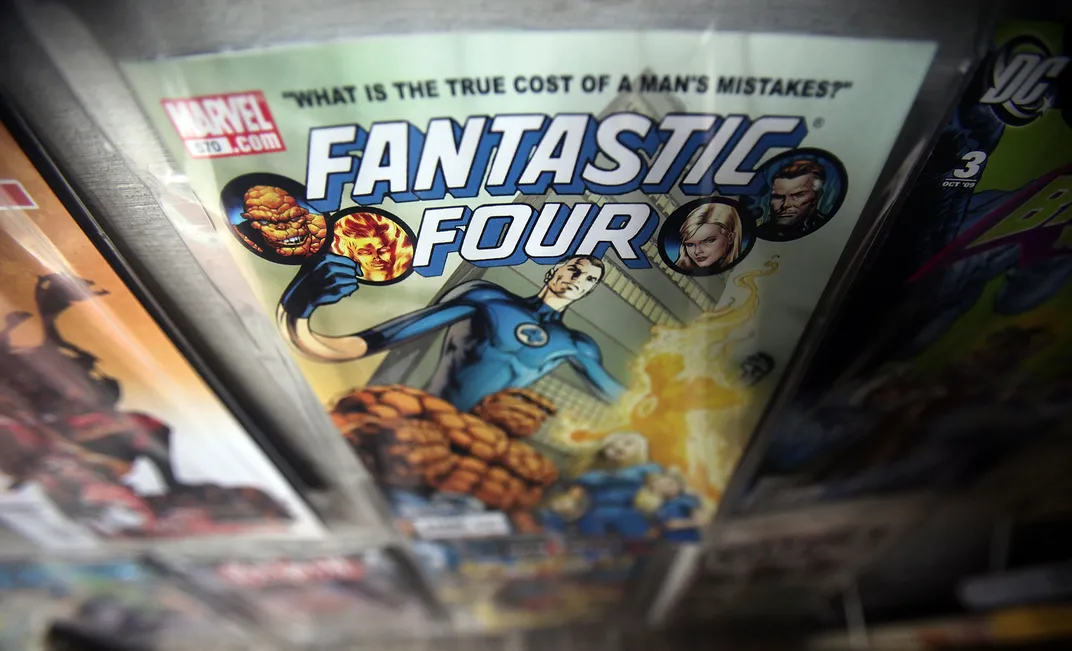
The street was temporarily renamed “Jack Kirby Way” last summer during a promotional event linked to the blockbuster film The Fantastic Four: First Steps, before the New York City Council made the change permanent in December. A formal unveiling ceremony is scheduled for Monday, May 11.
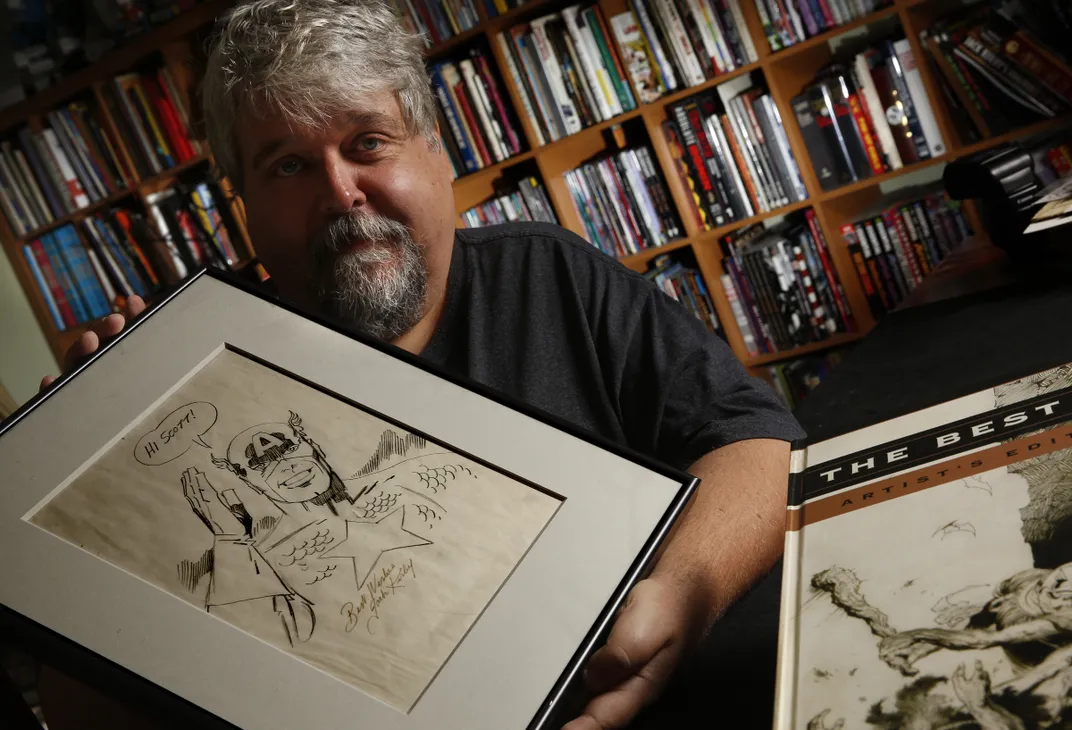
The initiative to co-name the street in honor of Kirby was led by Roy Schwartz, a pop culture historian and board member of the Jack & Roz Kirby Awards.
“It was a nice tribute by Marvel, but it wasn’t official or lasting, which felt unjust to me,” Schwartz remarks about the initial change. “Karen Green, the comics and cartoons curator at Columbia University, had been seeking city recognition for Kirby for ten years. It turns out changing a street name in New York City is quite a challenge, but we finally succeeded.”
The name Delancey Street subtly mirrors “Yancy Street,” the fictional home of the Fantastic Four’s the Thing, also known as Benjamin Jacob Grimm (“Jacob” for Jack, and “Benjamin” for Kirby’s father), the large orange character with a rocky appearance and a Brooklyn accent. The artist named the street of his most autobiographical character after his own childhood street. When Kirby illustrated Ben Grimm facing off against the Yancy Street Gang, he depicted his own experiences, dressed in the language of science fiction and fantasy. “If you watch how the Thing converses and acts, you’ll realize that the Thing is truly Jack Kirby,” Kirby once stated.
Don Bartletti / Los Angeles Times via Getty Images
“For Marvel specifically, NYC has always been embedded within our identity,” remarks Buckley. “NYC is central to our narratives, and in many aspects, it has evolved into a character in itself in our tales, largely due to Jack’s experiences in the Lower East Side and those of his early Marvel peers. We’re proud to see the city and many others recognize that.”
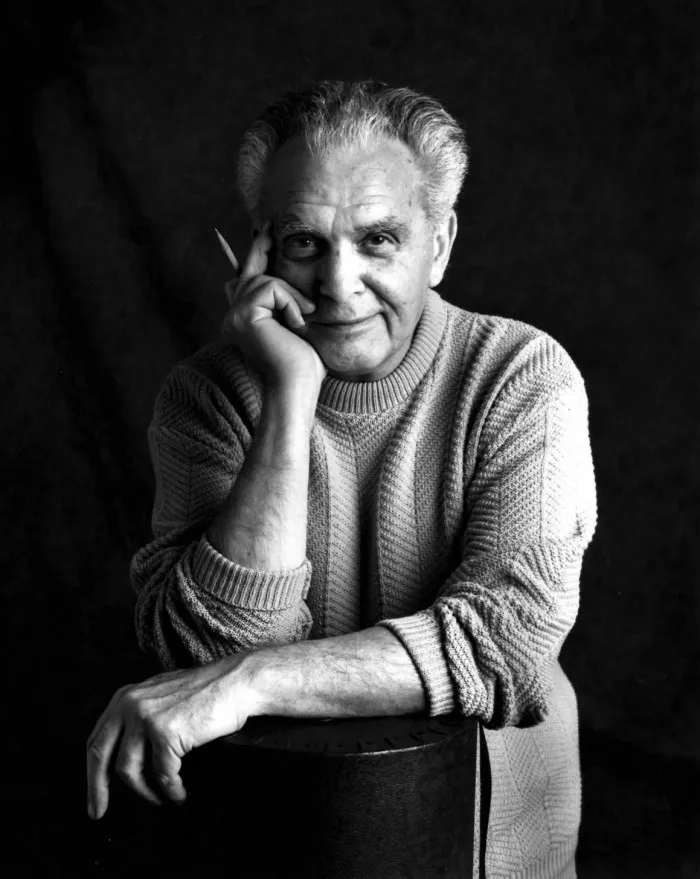
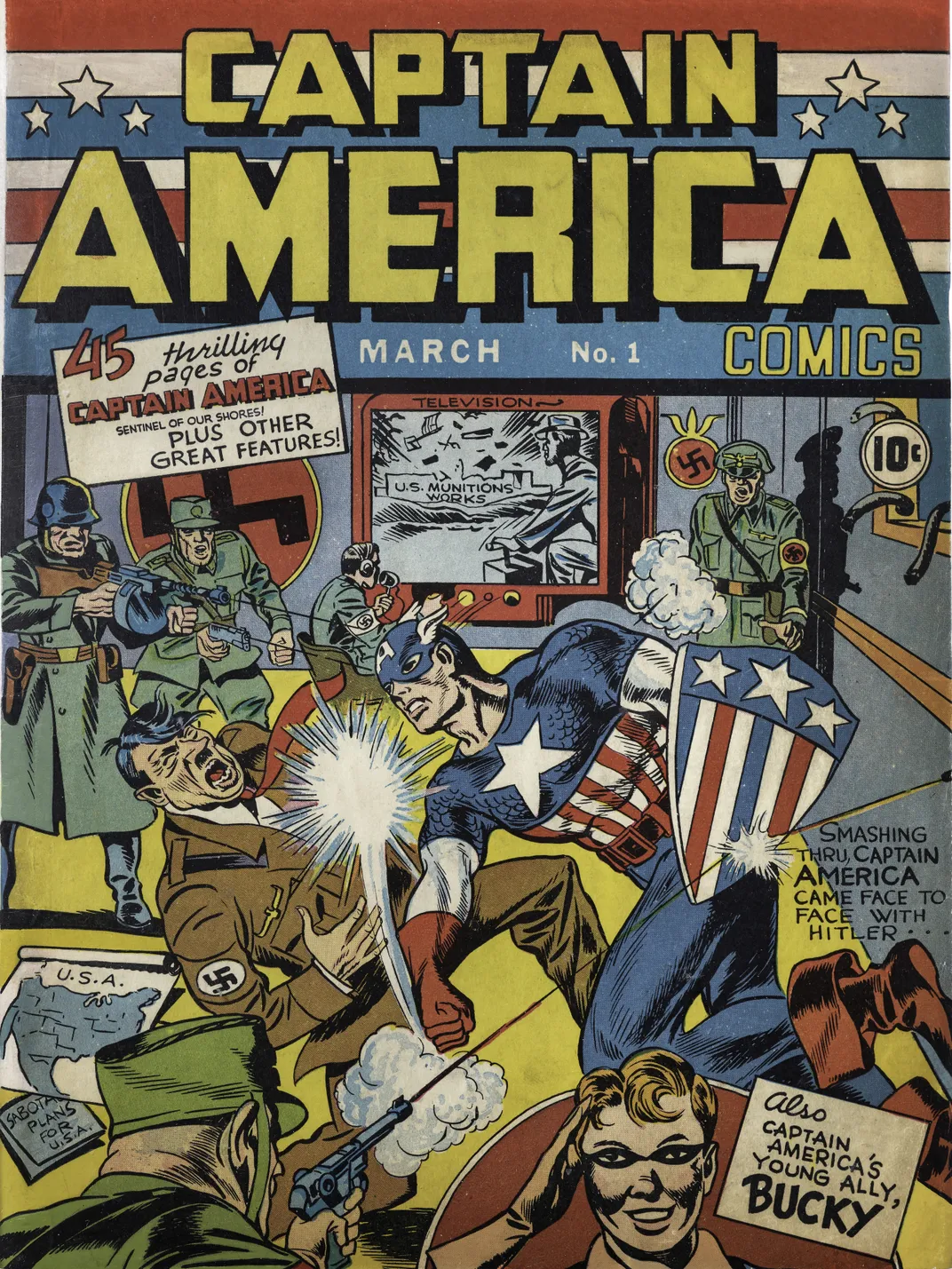
Beyond New York, a significant aspect of Kirby’s legacy is now preserved within the Smithsonian’s National Museum of American History collection. In March, the museum received the remarkable donation of Captain America Comics No. 1, the inaugural issue of the hero, co-created by Kirby and writer Joe Simon.
Susan Skaar / Creative Commons Attribution-ShareAlike 3.0 Unported License
“Up until recently, comic collecting at the museum was rather scattered and inconsistent, yet Kirby’s tremendous creativity and vision are present across a variety of media and products throughout our holdings,” comments Eric Jentsch, the museum’s curator of popular culture and sports history.
Among the collection is a 1976 Marvel superheroes lunchbox adorned with Captain America, Thor, Spider-Man, and a transforming Hulk. Also featured are comic books showcasing many of Kirby’s heroic creations, like the Fantastic Four, Black Panther, and X-Men, produced well after he had moved on from those characters. In 2007, even the United States Postal Service capitalized on the superheroes’ popularity by issuing a sheet of 20 Marvel Comics 41-cent stamps. Kirby was significantly involved in conceptualizing many of the characters showcased.
Prior to this acquisition, the Institution only held one relatively obscure piece of Kirby’s original artwork: a 1975 issue of Atlas. However, other items in the museum’s collection reflect Kirby’s cultural contributions as significantly as any page could.
Quick fact: Superhero merchandise
The National Museum of American History collection includes a 1975 Slurpee cup produced for 7-Eleven convenience stores that features Captain America and exemplifies his message. The cup shows Cap surging forward on the front, and on the back he declares, in part, “During World War Two, I was a living symbol for all that America stood for.”
The Smithsonian also acquired the prop shield wielded by actor Chris Evans as Captain America in the film Captain America: The Winter Soldier, a tangible emblem from the Marvel Cinematic Universe, which has generated over $30 billion globally at the box office.
Kirby didn’t craft any of these items, but they all owe their creation to him.
“It’s approximated that he produced over 20,000 pages of published art, which seems unfathomable, yet it’s true,” comments Schwartz. “He co-created most of the Marvel universe and a significant portion of DC’s, and he established many visual conventions of the art form. Kirby is to comics what Shakespeare is to literature—the unparalleled master who will forever set the high standard.”
Captain America was Kirby’s first major co-creation. In 1940, he and his partner Joe Simon released the inaugural issue of Captain America. The cover, dated March 1941, illustrates their hero delivering a right hook directly to Adolf Hitler’s chin. This was not a subtle artistic commentary; it was a statement of intent. Kirby, the son of Jewish immigrants from Europe, had grown up witnessing fascism rise across the Atlantic.
National Museum of American History
The character’s growth reflects eight decades of American apprehension: The Cold War Captain America defended his shield against communist infiltration. The post-Watergate Cap abdicated his uniform in disillusionment. Following September 11, the figure contended with the complexities of patriotism and dissent in ways that sold millions of issues. Each of these representations demanded writers and artists working within the framework Kirby had laid down.
“Writing Captain America was a dream fulfilled, but it was also a profound responsibility and honor to contribute to Kirby’s body of work,” states author Andrew Aydin, who wrote a 2019 narrative about Cap during the civil rights era. “Comics represent a distinctly American medium that has gained global reach, and it is long overdue that the great masters of the form are accorded their public recognition.”
The prop shield at the Smithsonian is a recent representation of the extent of Kirby’s influence. Since 2011, Evans has carried various versions of Cap’s iconic accessory through many films, with millions of audiences worldwide now immediately recognizing the symbol, context-free.
Marvel films have rendered Kirby’s visual language—his explosive panel layouts, sense of cosmic scale, and belief that average individuals could accomplish extraordinary feats—into a universal cinematic vernacular. Kirby has “aided in the creation of the shared mythology of our culture, shaping our understandings of ourselves and our surroundings,” remarks Jentsch.
Generations who may not know of Jacob Kurtzberg from the Lower East Side have nonetheless been influenced by his creations. When they discover who brought their heroes to life, they can pay tribute at Jack Kirby Way.