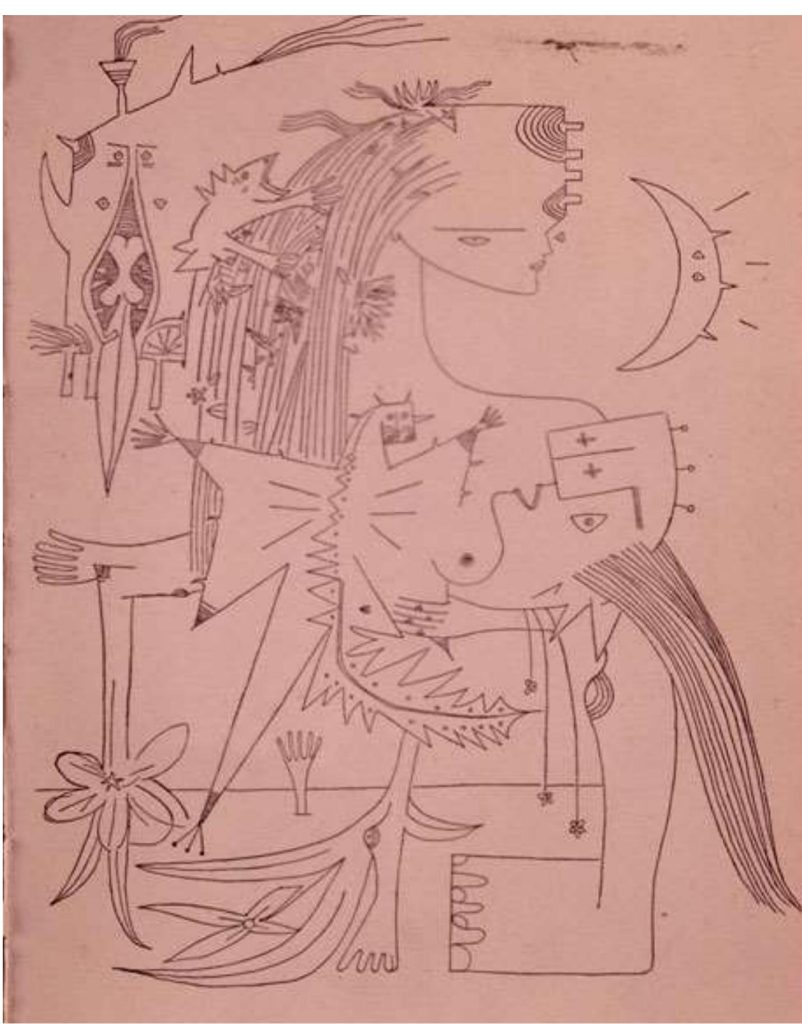
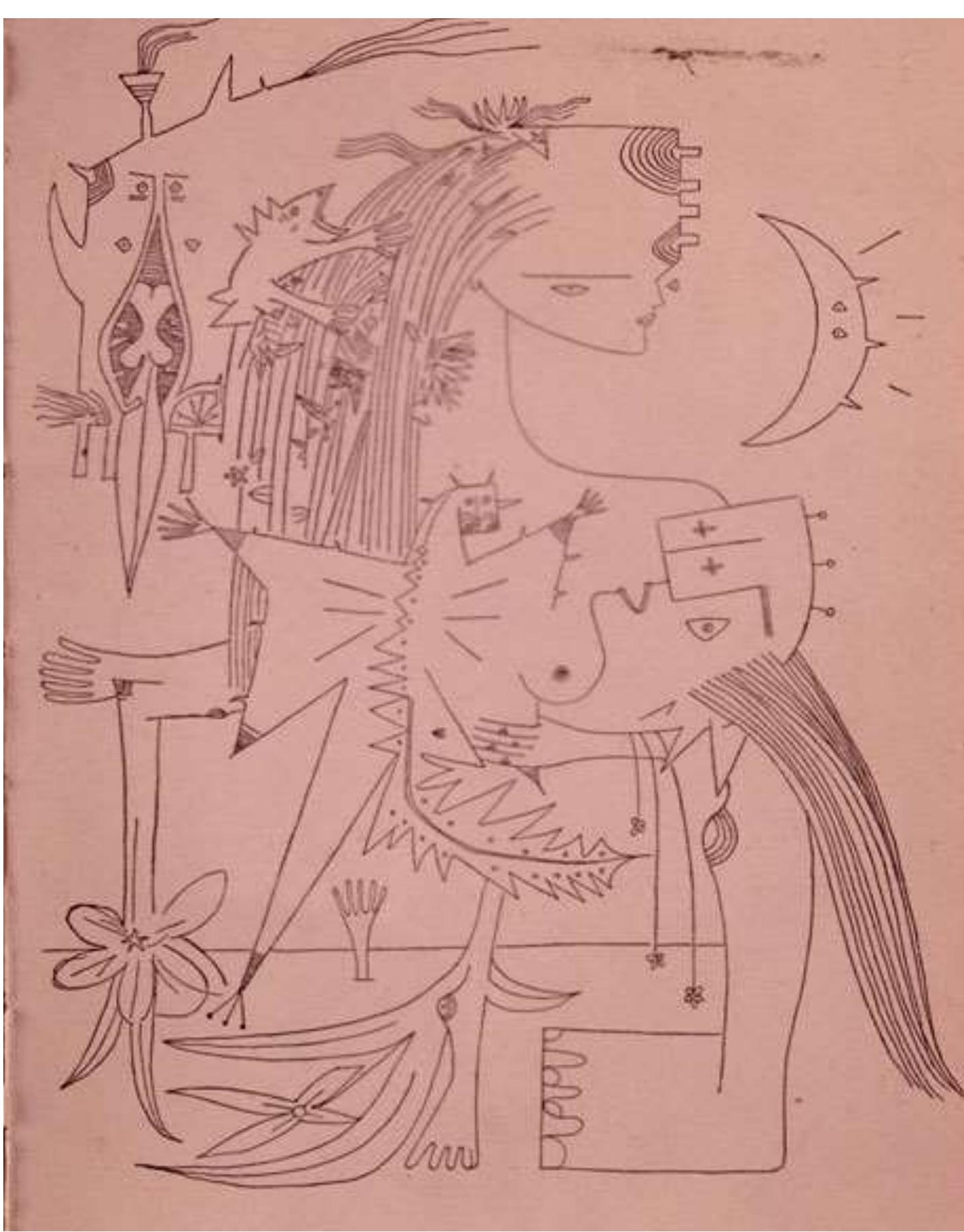
“Wifredo Lam’s Art Moves Beyond the Coatroom”
An artwork’s position in a museum is crucial to how it is perceived both spatially and interpretively. This concept was notably explored in critic John Yau’s influential 1988 essay, “Please wait by the coatroom,” inspired by the placement of Wifredo Lam’s painting “La Jungla” at the Museum of Modern Art (MoMA). The painting was displayed in a public area near the coatroom, outside the main galleries, which Yau argued symbolized Lam’s marginalization and MoMA’s reluctance to include his cultural and political themes in its modernist narrative.
Decades later, MoMA has mounted a retrospective, titled “When I Don’t Sleep, I Dream,” giving Lam’s work the attention it deserves. This exhibition traces Lam’s artistic journey, highlighting his early training in Spain, his time in Paris, his transformative return to Cuba during World War II, and the subsequent radicalization of his work.
Wifredo Lam, born to an Afro-Cuban mother and Chinese father, integrated modernist techniques during his time in Paris, engaging with Cubism and Surrealism and befriending key figures like Pablo Picasso and André Breton. While he was part of the Surrealist circle, Lam navigated a complex relationship with his visual culture and heritage, often challenged by the exoticization from the Parisian avant-garde. His work aimed to deconstruct and reclaim the aestheticized forms of African heritage, imbuing them with political relevance, as exemplified in “La Jungla.”
The retrospective at MoMA emphasizes Lam’s focus on Black identity and mental decolonization. The exhibition highlights how Lam reinterpreted elements from Afro-Caribbean religions and crafted a unique visual language, melding human and mythical forms. His works, such as “Bélial, empereur des mouches” and the “Femme-Cheval” series, reflect this syncretic and powerful iconography.
Previously, Lam’s position within MoMA was ambiguous, included yet not fully contextualized. With this retrospective, MoMA acknowledges the broader contexts of diaspora and colonial history intrinsic to Lam’s oeuvre. This exhibition marks a significant shift in the museum’s approach, reflecting broader global narratives of modernism and cultural negotiation. Now, Yau’s critical essay, once a call for inclusion, is available in the museum’s gift shop, symbolizing a full-circle moment of institutional reflection and progress.
Overall, “When I Don’t Sleep, I Dream” offers a comprehensive view of Wifredo Lam’s impact, illustrating how his work challenges and enriches the narratives within art history, finally earning its rightful place within MoMA’s broader story. The exhibition continues at MoMA through April 11, 2026.