Chernobyl Fungi Transform Nuclear Fallout Into Energy Source
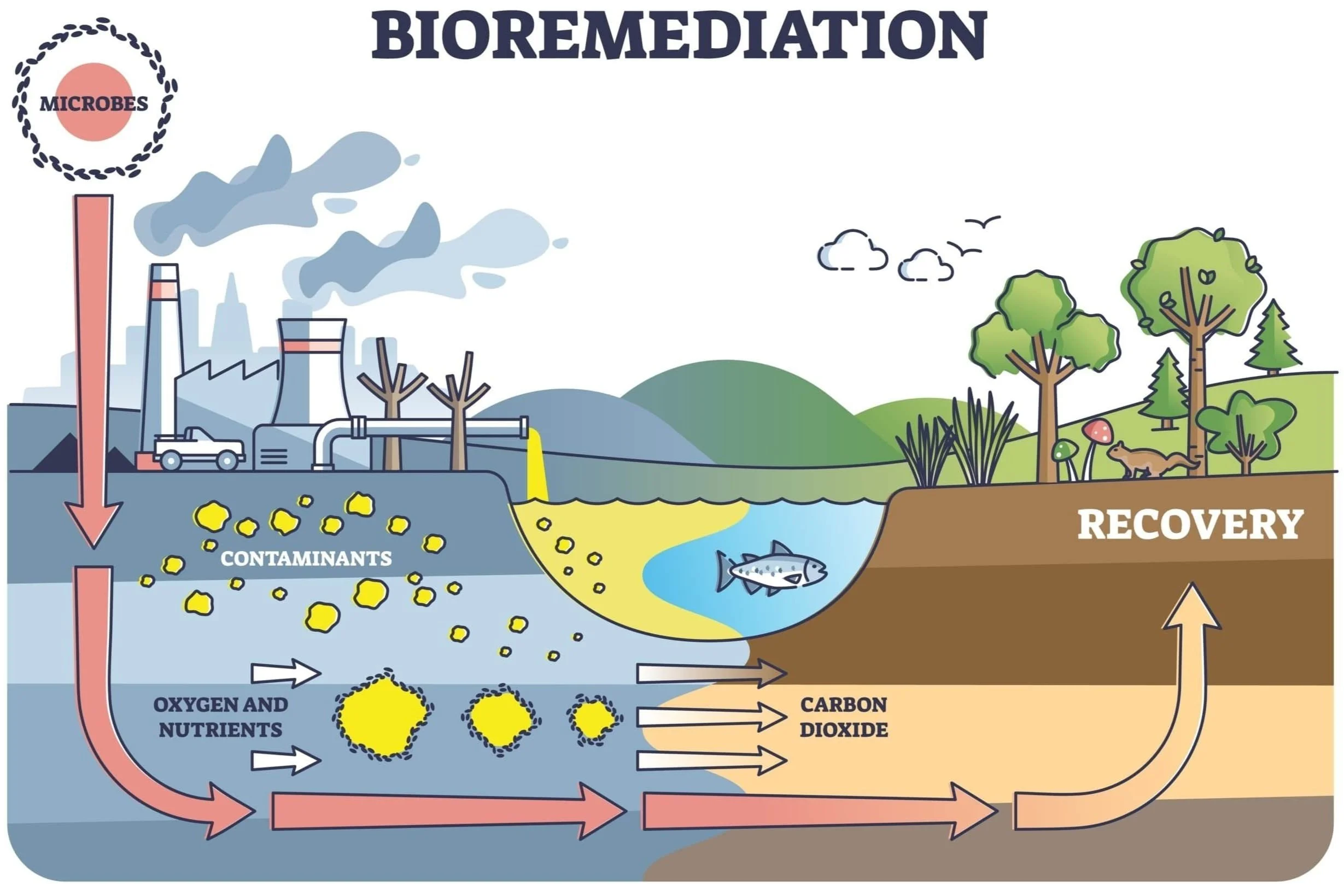
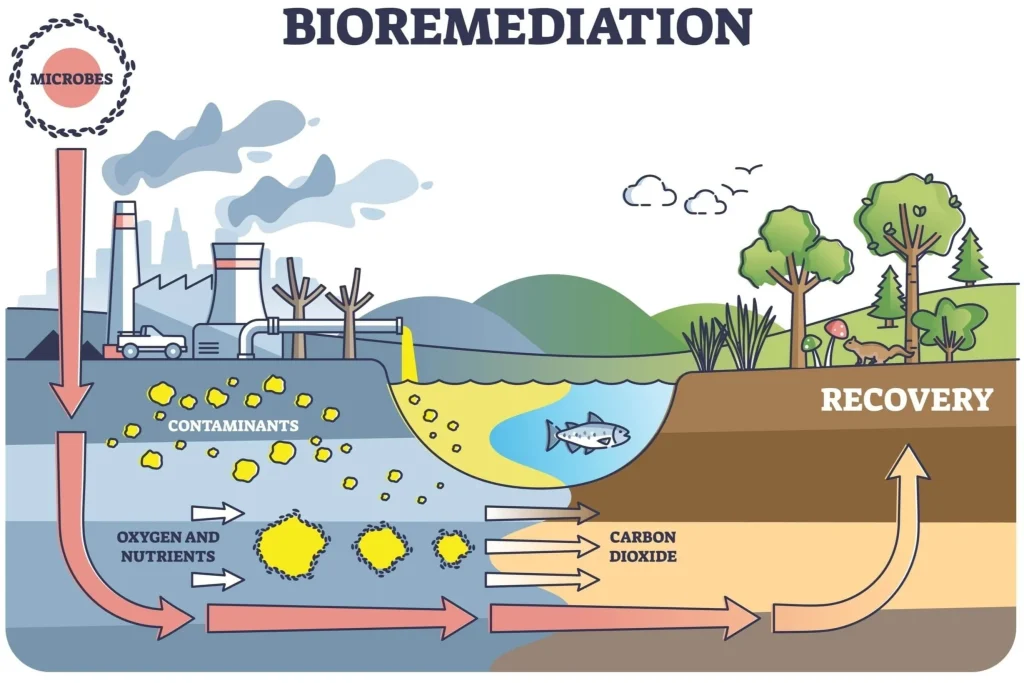
Deep within the derelict confines of Chernobyl’s reactor remnants, where radiation continues to pose a lethal threat to most forms of life, a modest black fungus is thriving unnoticed. This is not a remnant of destruction—it’s a vibrant, growing entity that appears to have adapted to one of the most inhospitable settings on the planet. The fungus, identified as *Cladosporium sphaerospermum*, may be accomplishing something extraordinary: utilizing ionizing radiation as an energy source, transforming what typically annihilates most life into the very sustenance it requires.
In the late 1990s, researchers exploring the Chernobyl Exclusion Zone discovered an unexpected range of fungi clinging to the reactor’s surfaces. Among the dark-hued, melanin-rich molds, C. sphaerospermum distinguished itself, thriving even in regions with some of the most severe radioactive contamination.
One of the most intriguing discoveries regarding this peculiar fungus is that radiation exposure doesn’t kill it; instead, it may actually enhance its growth. In tests, melanin-rich fungi subjected to radiation thrived, leading to the theory that melanin serves not only as a protective layer but as a form of biological antenna. In a process known as radiosynthesis, the fungus absorbs the ionizing radiation and transforms it into usable chemical energy.
Ionizing radiation, as fantastical as it may seem, is potent enough to disintegrate molecules and damage DNA, which is why it poses a significant risk to humans. For a living organism not only to endure but potentially to extract energy from that radiation represents a shift from a destructive force to something essential.
Nevertheless, this concept of radiosynthesis, while captivating, remains unverified. Scientists have yet to definitively prove that this fungus executes complete photosynthesis-like energy conversion. Thus, whether this fungus is genuinely “feeding” on radiation remains to be established. However, what we can assert is this: its mere existence is sufficient to challenge our beliefs about where and how life can persist. In the radioactive remains of Chernobyl, what was once deemed death has transformed into an unlikely sanctuary for remarkable adaptation.
In addition to this scientific wonder, the fungus’s existence possesses a certain beauty. The perilous reactors, once emblems of human arrogance and destruction, now support living organisms in a slow, persistent recovery. The pigment that grants this mold its dark hue (melanin) could be what technology and calamity were unable to eradicate. Instead, it may serve as a pathway to survival.