Study Reveals Dice Are 6,000 Years Older Than Previously Thought
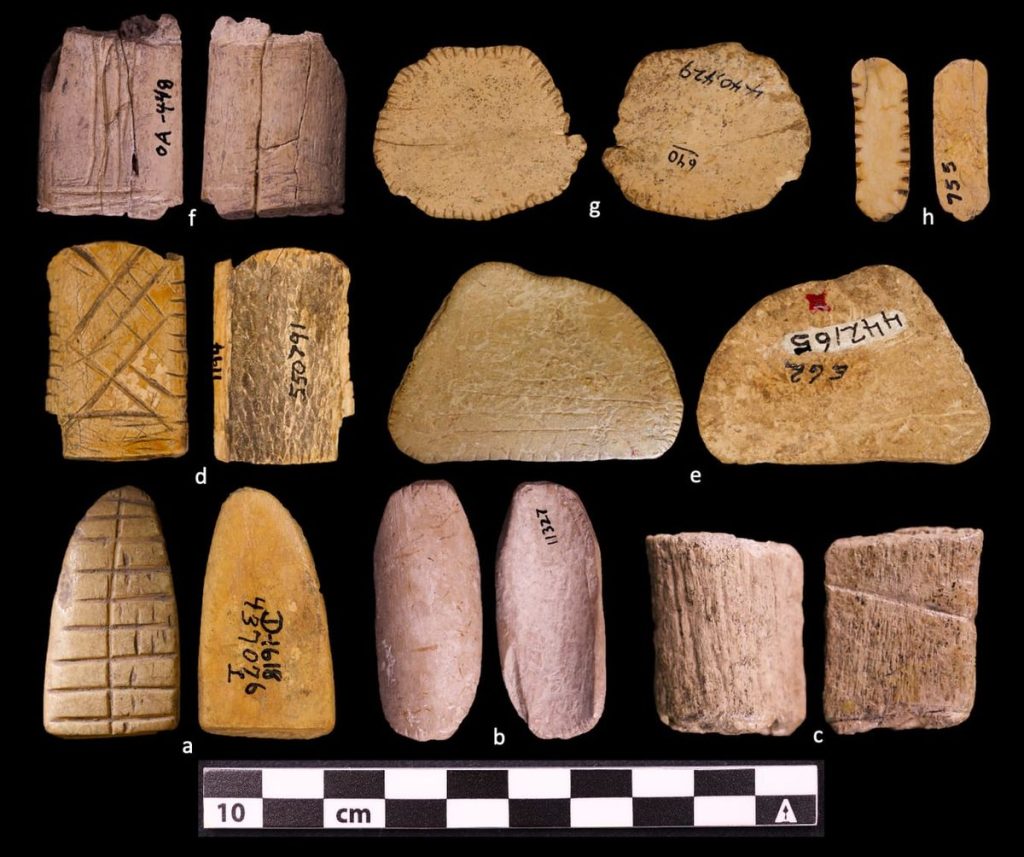
New research has uncovered a fascinating aspect of Native American history, revealing that they crafted two-sided dice over 12,000 years ago, predating other known dice by millennia. Published in “American Antiquity,” the study by Colorado State University archaeologist Robert J. Madden identifies over 600 such dice from 57 archaeological sites across the U.S., mostly in the American West. These early dice, made of wood, bone, or teeth, marked a profound recognition of randomness and chance among Pleistocene-era Native Americans. They diverged from the typical six-sided dice, featuring only two sides, known as “binary lots,” which suggests they played a role in social and cross-tribal interactions, creating neutral spaces for cultural exchanges. Madden’s research, which relied on Stewart Culin’s 1907 index “Games of the North American Indians” to classify these artifacts, challenges previous assumptions about the complexity of early human intellectual endeavors. However, some academics, like Jelmer Eerkens, express the need for more contextual evidence to confirm these interpretations. Madden believes these dice not only point to early gambling practices but also highlight an artistic engagement with the concepts of probability and randomness, making these findings a significant revelation in understanding ancient Native American culture.