Methods for Uncovering the Story of Appalachia
**Exploring the Representation of Appalachia in Art: A Critique of Fia Backström’s “The Great Society”**
In her art exhibit “The Great Society,” showcased at the Queens Museum, Fia Backström draws a comparison between her work and the film “Close Encounters of the Third Kind.” In the film, the main character is compelled by aliens to incessantly recreate a mountain’s shape, paralleling Backström’s experience of West Virginia. While Backström may find the region alien, for many, including the GRIT collective, the people of West Virginia are family and friends.
The GRIT collective, comprised of artists from economically disadvantaged rural areas with many hailing from West Virginia, challenges Lauren O’Neill-Butler’s praise of Backström’s work for allegedly extracting trauma from Appalachia to gain cultural capital. Both O’Neill-Butler and the museum elevate Backström, a European artist, as an authority on West Virginia despite her limited interaction with the area. This reflects a broader issue where Appalachian narratives are often controlled by outsiders, which perpetuates systemic power imbalances.
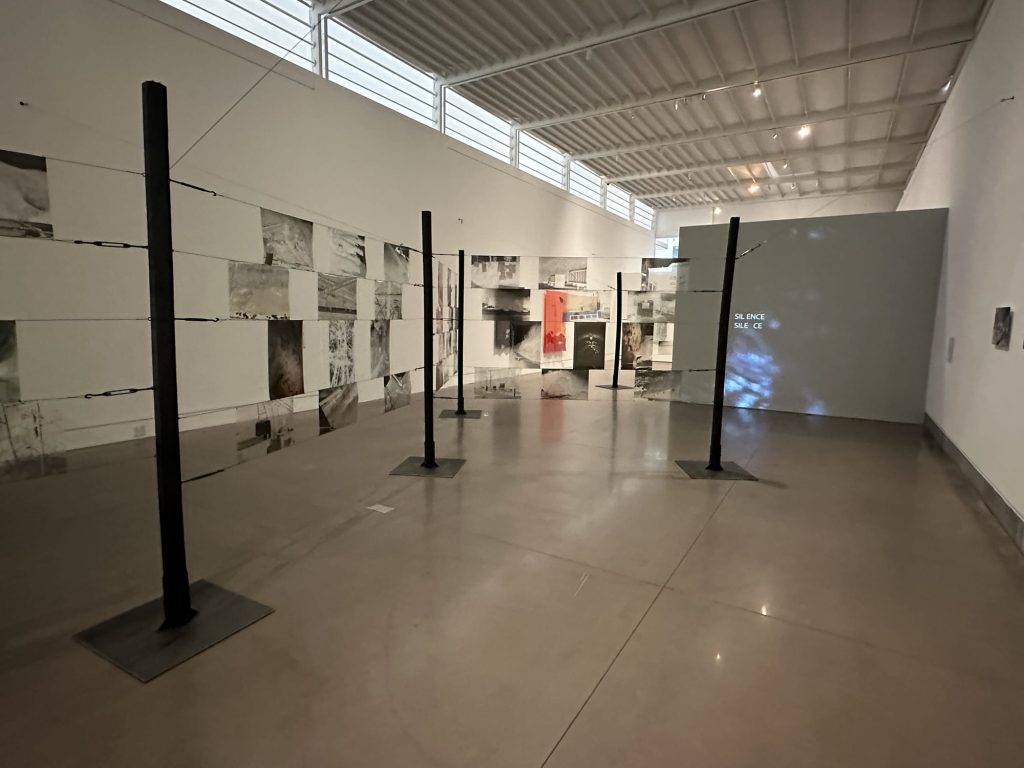
“The Great Society” is criticized for flattening West Virginia’s complexity, focusing on sites like Buffalo Creek and portraying the region negatively as a center of environmental and economic degradation. This narrow view overlooks the multifaceted realities of Appalachia, filled with pride, resilience, community, and a strong connection to place, rather than just hardship.
Backström’s exhibition uses visual techniques that strip away human presence, portraying a desolate, surreal environment that reinforces stereotypes of Appalachia as a place of despair. Texts in the exhibit and Backström’s experiences, such as her denied mine entry, further emphasize negative stereotypes. Her collaboration on a community quilt, while reflective of Appalachian culture, arguably represents an outsider’s exploitation rather than genuine collaboration.
The GRIT collective, having engaged with the museum and Backström, finds a lack of prompt acknowledgment or repair for the harm caused. They advocate for the representation of Appalachians in cultural narratives, emphasizing that working-class individuals are not powerless, using stories like that of a coal miner who takes pride in his work.
In summary, the critique highlights the need for Appalachians to have space to tell their own stories and for the art world to recognize the impact of class and power on representation. Moving forward, cultural institutions must support authentic narratives from the communities they portray.