The Impact of Cities Providing Artists with Free Supplies
**Opinion: Expanding Materials for the Arts to Cities Nationwide**
Materials for the Arts (MFTA), a celebrated program under the Department of Cultural Affairs in New York City, has presented an innovative model that could enhance artistic and educational resources across the country. Founded in 1978 by Angela Fremont with support from commissioner Henry Geldzahler during Mayor Ed Koch’s administration, MFTA provides free art supplies to nonprofits, public schools, social justice groups, and city agencies.
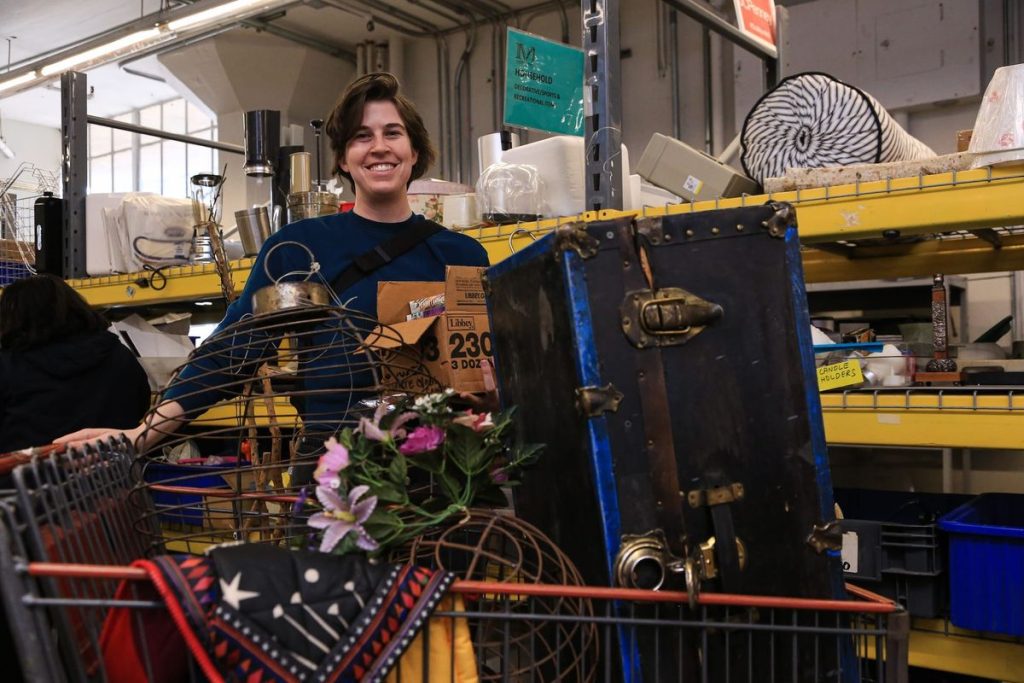
Based in Long Island City, MFTA’s vast 35,000-square-foot warehouse acts as NYC’s largest reuse center, diverting over eight million pounds of materials valued at $40 million from landfills over the past two years. More than 4,500 organizations benefit from its inventory of unconventional art materials, which includes items from fabric and lighting equipment to frames and mannequins.
The program offers two weekly shopping days and late evenings catering especially to teachers lacking district funding for supplies. Notable projects utilizing MFTA resources include Abigail DeVille’s “Light of Freedom” at Madison Square Park and Amanda Phingbodhipakkiya’s “Tender Commons” at MoMA. These contributions highlight MFTA’s impact on art and design students, as well as sole artists and cultural institutions like the Whitney Museum’s Education Program and the Martha Graham Dance Company.
MFTA’s success underscores a crucial model for addressing the affordability crisis impacting the arts industry. With escalating living and operational costs, artists and creatives are increasingly reliant on programs like MFTA.
As crises of affordability and climate change loom larger, MFTA’s mission remains vital. Leaders and organizations globally, including Creative Chicago Reuse Exchange and RINNE in Tokyo, have taken note, seeking to replicate its success. President Zohran Mamdani’s administration emphasizes addressing these essential issues like affordability and climate change, which MFTA is uniquely poised to mitigate.
Imagining a future where similar programs flourish in every major city could revolutionize access to sustainable artistic resources. Meanwhile, MFTA continues to nourish NYC’s cultural vitality, preventing millions of pounds of supplies from accumulating in landfills. As MFTA enacts its vision, expanding its reach could greatly benefit artists nationwide, amplifying creativity while addressing ecological and economic challenges.