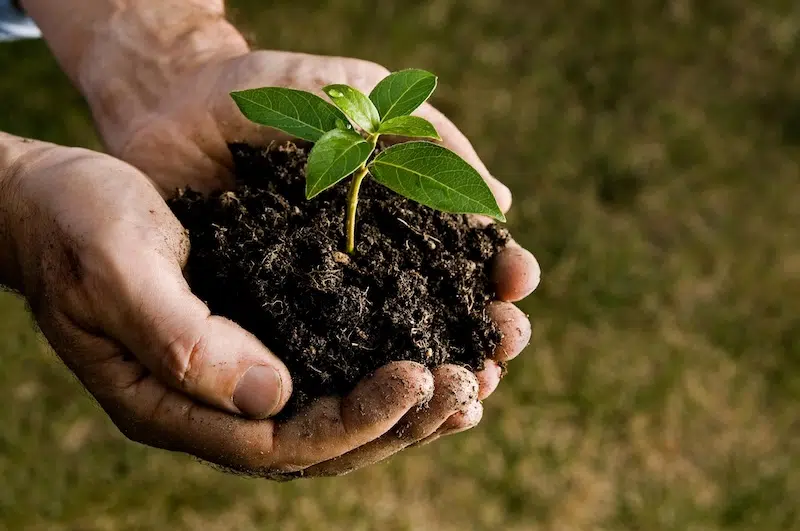
Volunteers Sow 30,000 Trees to Revitalize Ecosystem on Isle of Man
Volunteers with the Manx Wildlife Trust have successfully accomplished a bold ecological restoration initiative on the Isle of Man. Initially envisioned as a five-year project, the volunteers reached their target in merely three years, planting 30,000 native trees across 105 acres. This undertaking is part of a broader effort to revive the island’s temperate forest, a unique ecosystem known for its high rainfall, mild climate, and fog.
Graham Makepeace-Warne, the chief executive of the Trust, commended the volunteers’ success, underscoring the various advantages the forest offers, such as improvements to physical and mental well-being, flood protection, water quality, and biodiversity. Historically, these forests occupied approximately 20% of the area but have diminished to less than 1% due to deforestation driven by timber harvesting and agriculture.
To facilitate the forest’s growth, livestock grazing, which had previously obstructed forest recovery, will be limited for 15 years. This effort is part of the broader Temperate Rainforest Restoration Programme, backed by The Wildlife Trust and financed through a significant contribution from the insurance company Aviva. Additional restoration projects are anticipated, including locations on the Isle of Man and in Wales, designed to ensure these essential ecosystems can thrive for generations to come.
The Manx Wildlife Trust actively involves the community with continuing conservation efforts and updates via their [website](https://www.mwt.im/), [Instagram](https://www.instagram.com/manxwt/), and [Facebook](https://www.facebook.com/ManxWildlifeTrust/).
For more details, related articles highlight other inspiring conservation initiatives worldwide. These include the planting of giant sequoia clones in Detroit, a young environmentalist in India planting over 150,000 trees, and Kenya’s national tree planting holiday, during which 100 million seedlings were planted.